Have you ever taken a look at a bottle of Cabernet Sauvignon and been confused by all the details given on its label? Or has a bottle of Merlot intrigued you in the same way? A wine label offers a variety of information about the wine. And these labels can be as complicated as the wine itself.
Trying to understand a wine label can be quite challenging for a consumer, especially for someone who just wants to drink the wine. Most of the information given on these labels barely tells the consumer what the wine tastes like. And the “buzzwords” used on wine labels can often feel quite intimidating. So how do you decipher wine labels? We’ll help you understand the smug and intimidating language on wine labels.
How to Read a Wine Label?
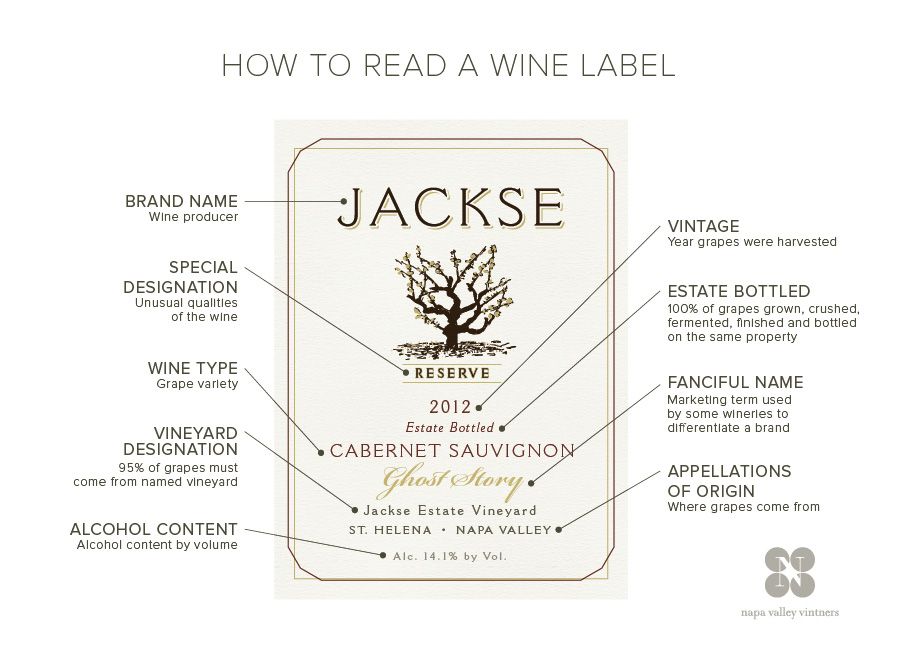
One can learn a lot about a wine from its label. But how does one read a wine label and know what to look for? Here is a list of components you should acquaint yourself with in terms of reading a wine label effectively.
Country or Region of the Wine
Typically, wine labels will talk about where the wine has been produced. You will either find that information at the bottom or the top of the label. If not the country, then the exact region from where the wine has been produced will be specified.
A good rule of thumb is that a wine is likely to be more expensive if the location given is more specific. And hopefully, the quality will be superior too. Niche wines are likely to be priced higher than wines produced in generic vineyards.
Producer or Name
Along with the name of the region, the name of the producer is also displayed. You’ll find the name on the front of the bottle. Unless you’re a wine geek, the name of the producer very rarely piques the interest of a standard consumer. It is, however, a good idea to acquaint yourself with producers because each of them has their unique winemaking style.
Producers don’t necessarily have to be a business. They can be individual wine lovers or even a family.
The Variety of the Grape
Most bottles will display the grape varietal on the front label. For example, a Merlot wine bottle always has the name of the grape (Merlot) displayed on the front. The kind of grape indicates what the wine will taste and smell like.
However, if the bottle doesn’t have the type of grape displayed on the front, it is probably because the producer has used more than one grape to make the wine. If this is the case, then try and search for the appellation on the label. The appellation usually helps you understand the kinds of grapes that have been used to make the wine.
Check if the Wine Is Vintage or Not
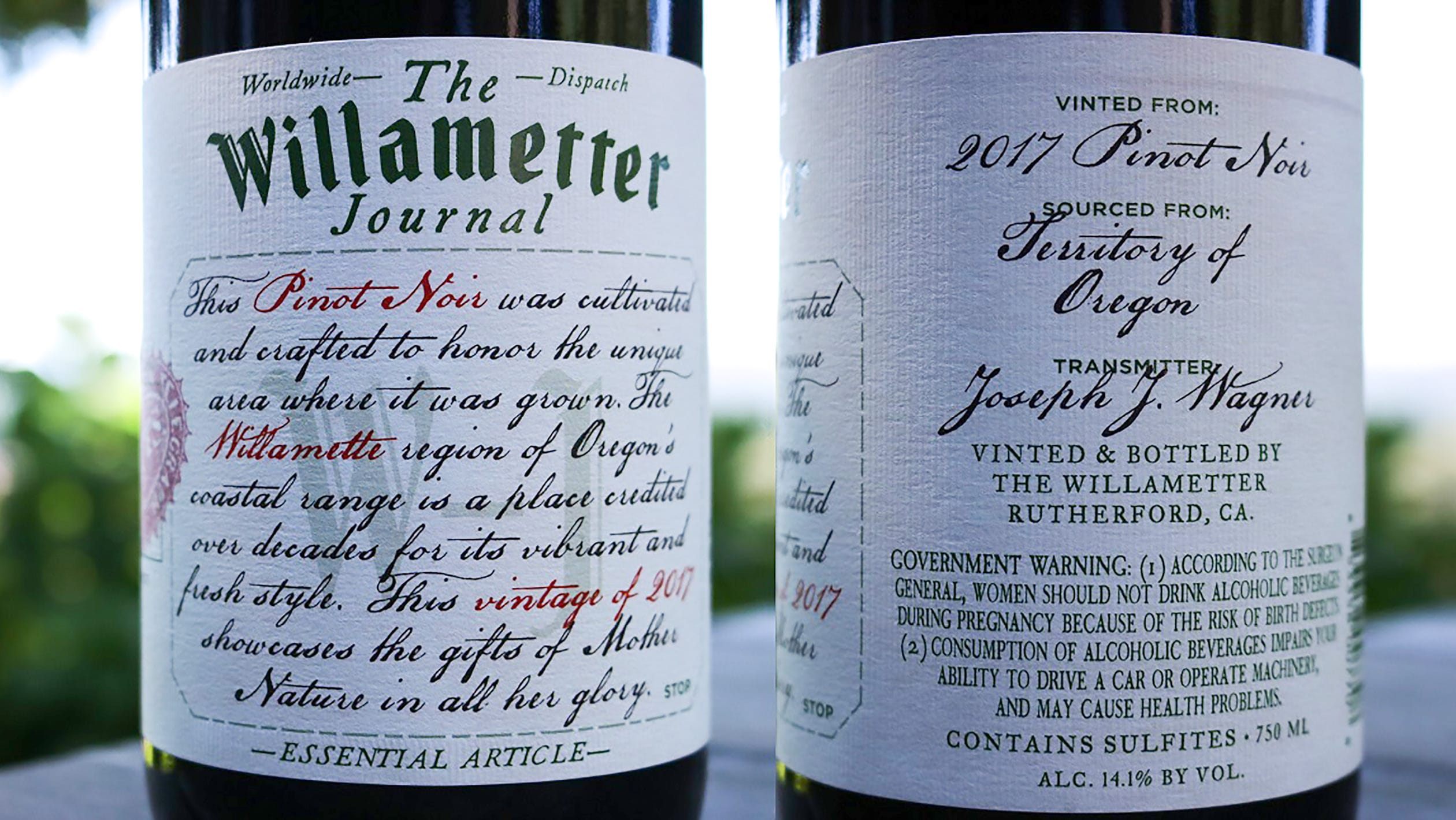
It’s always good to look for the year the wine was produced. Many labels have the term “vintage” displayed on older-aged wines. This is not always displayed on the front label, so make sure you check the other side of the bottle or its neck.
The year indicated on the label will tell you when the grapes were harvested from the fields. Each vintage varies from the other. Meaning they aren’t necessarily harvested in the same year. A vintage can also sometimes inform you how good the wine can be.
Level of Alcohol
It’s always useful to know the alcohol levels in your wine. For example, a bottle of red wine usually has 13.5% alcohol while whites have a slightly lower alcohol volume. The alcohol level can usually be found in a smaller print at the bottom, usually on the front or back label.
Knowing the alcohol content can be very helpful in matching your wine with the right foods. For example, a lighter wine goes perfectly well with foods like shellfish or Cioppino and Muscadet, whereas a red wine pairs amazingly with a well-cooked steak.
Sulfites
Legally, producers are required to inform consumers of the amount of sulfites used while producing the wine if they pass the 10 mg/liter mark. Most producers use sulfites during production, and some of them end up using a lot. However, they don’t have to tell you the amount they have used below 10mg/liter. This can be quite a problem for people suffering from sulfite allergies.
Wines that use lesser sulfites also don’t exactly mean that the wine is safer. This is because sulfites are used to lessen the risk of oxidation and bacterial infections.
Sweetness
Another thing that you should read on the label is the level of sweetness of the wine. For example, mostly all reds are dry wines. This essentially means that all the sugars inside the grape have turned into alcohol, leaving remnants of sugar that cannot be identified by professional wine tasters. The minimum detection level of the sweetness is close to 4 grams/liter.
What are Wine Labels Called?
There are primarily two styles of wine labels found in stores. A wine bottle can either be identified by its brand name or appellation credentials.
Brand Name
If a wine is labeled by its brand name, the label usually tries to display the grape variety used to make the wine. This information is usually depicted on the front of the bottle, irrespective of the kind of wine (red or white).
Appellation Credentials
On the other hand, a wine that is labeled by its appellation credentials focuses more on the appellation’s rules and regulations in terms of quality. For example, a Chablis wine displays appellation credentials but nowhere does it mention that it is produced from the Chardonnay grape.
What is Required on a Wine Label?
Wine manufacturers are required to display certain aspects of the wine on their labels by law. Here is a list of requirements that have to be met by wine producers.
- Name of the brand
- Wine class
- The kind of grape used to make the wine
- The alcohol content
- The label should state if the wine is vintage or not
- The volume of the bottle, either in ounces, liters, or milliliters
- The amount of sulfites used
- The government-stated health warnings
Why are Wine Labels Important?
A wine label is more important than you think because it plays a huge role in beverage marketing. You wouldn’t randomly pick up a bottle of wine and head home unless you knew exactly what you’re looking for. Choosing a wine bottle is slightly more complex than choosing other beverages like a lager or strawberry juice.
There are over a hundred kinds of wine you can purchase and to know what every one of them comprises is near impossible. This is where wine labels come in handy.
A wine label gives all the required information about the wine to the consumer. It displays the kind of grape used to make the wine, the sweetness, the level of alcohol, and how old it is. The wine label helps the consumer acquaint themselves with the wine and make an educated decision.
What Do You Put on the Back of a Wine Label?
The information on the back label of a wine bottle is considerably different than what is displayed on the front. Mostly, wine labels only cover the legal information of the wine for the wine drinker, such as origin, grape variety, alcohol content, etc. However, the back label typically displays sensory notes of the wine, food pairings, history of the winery, etc.
It’s the combination of both the front and back labels that influences consumers to make effective decisions.
Here are some of the most common themes wineries follow to display on their back labels of wine bottles.
- The reason or history of why the wine was produced.
- An in-depth explanation of the grapes used, where they were grown, and their type.
- The person who made the wine.
- The kind of wine it is.
- The person who bottled the wine.
- When the wine was bottled.
- A note to the wine drinker.
- If the alcohol volume isn’t on the front, then it’s usually on the back.
- A logo, QR code, or URL that guides the consumer to the process of winemaking.
What are the Three General Categories of Wine Labeling?
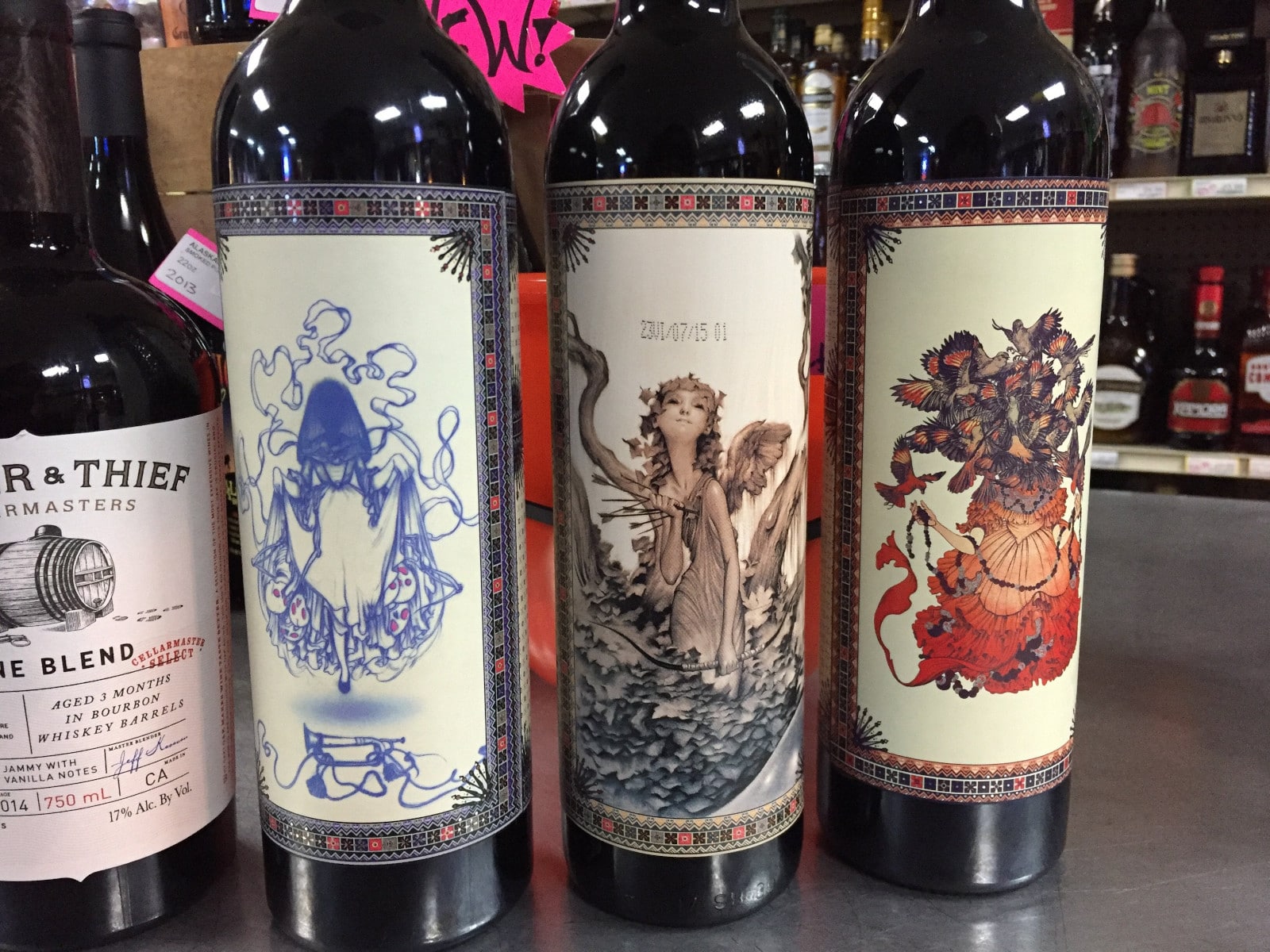
Wines are primarily labeled based on three categories: 1) regional, 2) varietal, and 3) come up with something different. Let’s take a look at these categories in depth.
By Region
This category of labeling is predominantly followed in Europe. Regional names can vary from a small piece of land to a country. For example, Pauillac is located in Bordeaux, France, and is a small plot of land. On the other hand, in Italy, a wine can be called Barolo meaning a small region, or Chianti meaning a larger region. Moreover, these names aren’t limited to small regions. Some wines are labeled based on a single vineyard within that small region.
This process of displaying categories on wine labels is carefully monitored by each European country’s government. For example, most wine bottles in France are controlled and regulated by the French AOC (Appellation d’Origine Controlee).
By Varietal
Varietal labeling of the wine is named after the grape that was used to make the wine. Now, every country has its own sets of rules and regulations regarding what quantity the said grape must be inside the bottle. For example, an American wine bottle labeled “Chardonnay” must have close to 75% of Chardonnay grapes inside it. And in other countries like France, wines labeled “Alsace” should have 100% utilization of those grapes.
Come up with Something
However, if a wine does not fit into either of the above categories, then wineries usually come up with different names for their wines.
What do the Numbers on Wine Bottles Mean?
Brix
A lot of wine bottles have Brix levels mentioned at the back of the bottle. The amount of condensed grape sugars is displayed by the Brix. The Brix indicates how ripe the grape is and helps winemakers understand when to harvest them. Most grapes used for winemaking are picked at 21 to 25 Brix. Winemakers use a refractometer to measure the Brix.
What do Brix levels have to do with wine? Technically speaking, the higher the lever of Brix, the riper the fruit is. Therefore, a higher level of Brix indicates that the wine is more fruit-forward.
Alcohol Content
The alcohol content also measures how ripe the grape is — the higher the level of alcohol, the riper the grape. There has been quite a lot of debate over alcohol content in wine, especially about high alcohol levels. Some say that wine with more than 15% alcohol content is unpalatable, makes the wine drinking experience unpleasant, and doesn’t allow the wine to age gracefully. However, most people don’t have a problem with higher alcohol content.
While drinking, most people can’t identify the level of alcohol in the wine.
Total Acidity
This is a tool used to measure the total acidity in the wine by volume. Truth be told, there are several varieties of acids and the total acidity simply calculates one, tartaric acid. Most table wines’ total acidity ranges from 0.6 to 0.7.
Total acidity helps measure how tart the wine is. For example, the higher the level of total acidity, the more tart the wine. On the other hand, if the total acidity is too low, then the wine will end up tasting flat. Total acidity can also help you pair certain dishes with your wine.
Moreover, acidity is closely related to climate. A warm region produces wine that has little acidity, conversely a cooler region produces wine of higher acidity.
PH
This is another tool used to calculate acidity. The pH levels calculate how ripe the wine is. For example, a lower pH produces a wine that is crisper, whereas a higher pH means the wine is at risk of growing bacteria.
The pH for white wines is around 3.0 to 3.4. And for red wines, it’s 3.3 to 3.6.
Moreover, pH and total acidity are closely related as lower pH means higher acidity. Therefore, if you want a wine to accompany your meal, you should go for a wine with lower pH.
Does the Wine Label Matter?
Of course! Labels play an important role in all kinds of beverage marketing. Wine labels are just as important, if not more. The wine label provides you with all the information you need to know about that wine and helps you make a more informed decision when purchasing. Moreover, a wine label helps users understand the kind of wine inside the bottle and whether it will suit their needs.
Therefore, yes, a wine label does matter. It is the most immediate and complete source of information for the customer, when purchasing from a store.
Why Do Wine Labels Have a Vintage?
The year in which the grapes were harvested is known as the vintage. There is great importance behind vintage dates especially when there are climatic differences. This is because the quality and taste of the wine can vary each year because of the climate.
A lot of countries also allow a vintage wine to be mixed with a small amount of wine that is from a different year. This allowance in blending is important for winemakers because it enables them to produce wines of supreme quality and complexity.
What Makes a Great Wine Label?
Three elements make for a good and eye-catching wine label.
Aesthetic
A wine label not only contains information about the wine, it also serves as a tool to catch the eye of the consumer. Therefore, a wine label needs to be aesthetically pleasing. An eye-catching label instantly stands out among a plethora of other wines.
All the Relevant Information
For this, you’ll have to take a look at the back label. Viticulture, vintage, clones, vineyards, and barrel management are all examples of relevant information that should be mentioned on the label. Although this doesn’t matter to a lot of people, it’s always good to know how your bottle of wine was made.
It Gives Credit to Its Regional Style
This exists more in old-world regions like Tuscany and Bordeaux. But some new-world regions have also been known to include this element in their labeling. For example, Oregon’s Domaine Divio gives credit to the lean and classic appearance of Burgundy with the sophisticated font, paper stock, and subtle colors.
Which US State Has the Strictest Wine Labeling Laws?
Oregon has the strictest wine labeling law in the United States, especially in regards to the origin and variety of the grape. For example, if a winery displays a state, county, or country as their appellation, a minimum of 75% of the grapes must be grown from the region mentioned. These rules have been created to maintain the quality and integrity of their wine.
What Can I Do with Old Wine Labels?
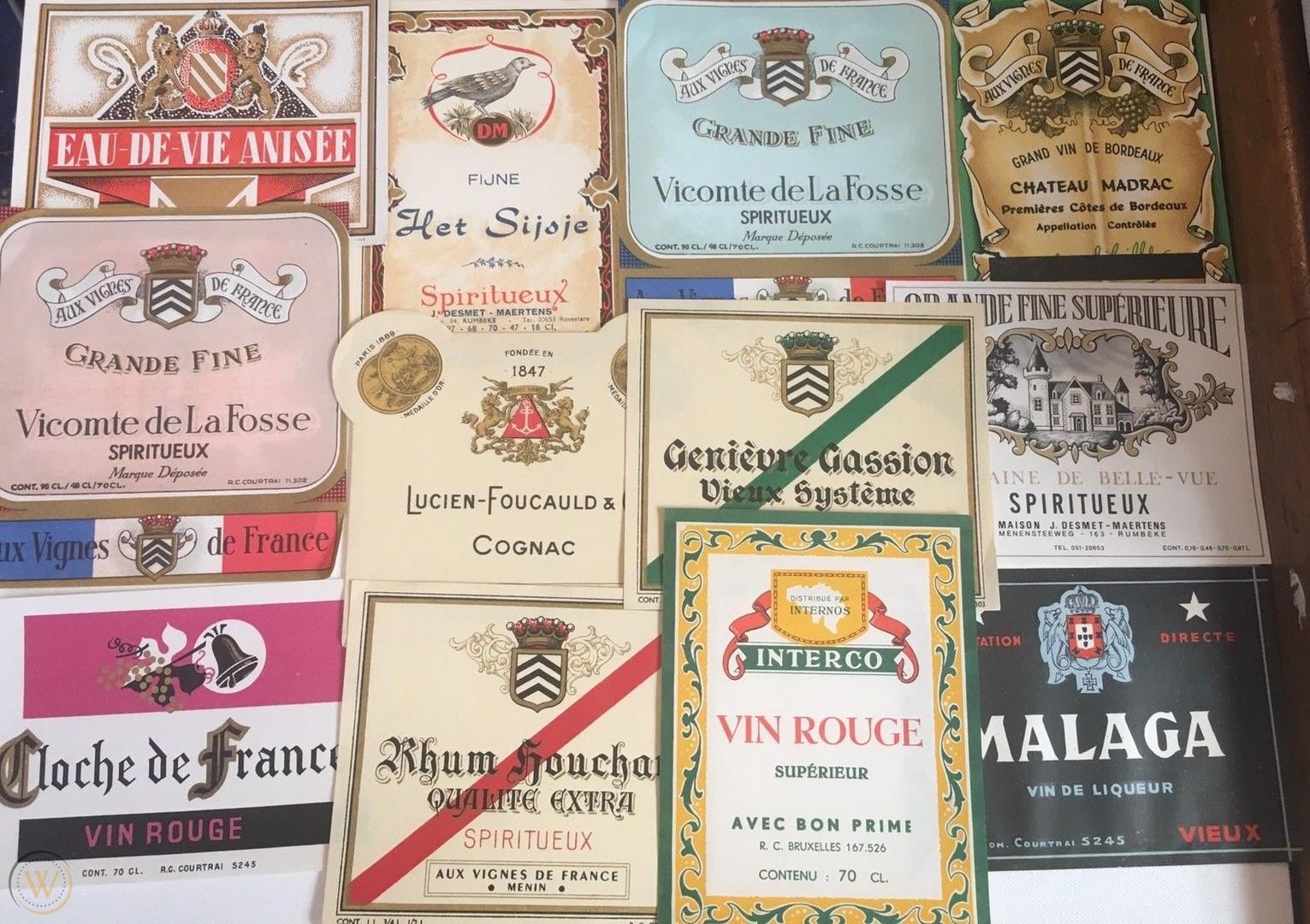
If you’ve been collecting wine labels over the years or just happen to have some, you can do quite a few things with these little things.
Coasters
Yes! You can take some of your favorite wine labels and make them into coasters. All you need is a glue gun and pre-cut coasters.
Wall Art
You can create a collage with some of your favorite wine labels and hang them or stick them up in your room.
A Memo Board
Leftover wine labels can also be used to create an eye-catching memo board that can be used as decoration in your house!
Conclusion
A wine bottle without a label is incomplete. They can be a little challenging to understand, but once you know what the wine label is trying to tell you, deciding which wine you want to buy becomes a much easier and fulfilling experience.