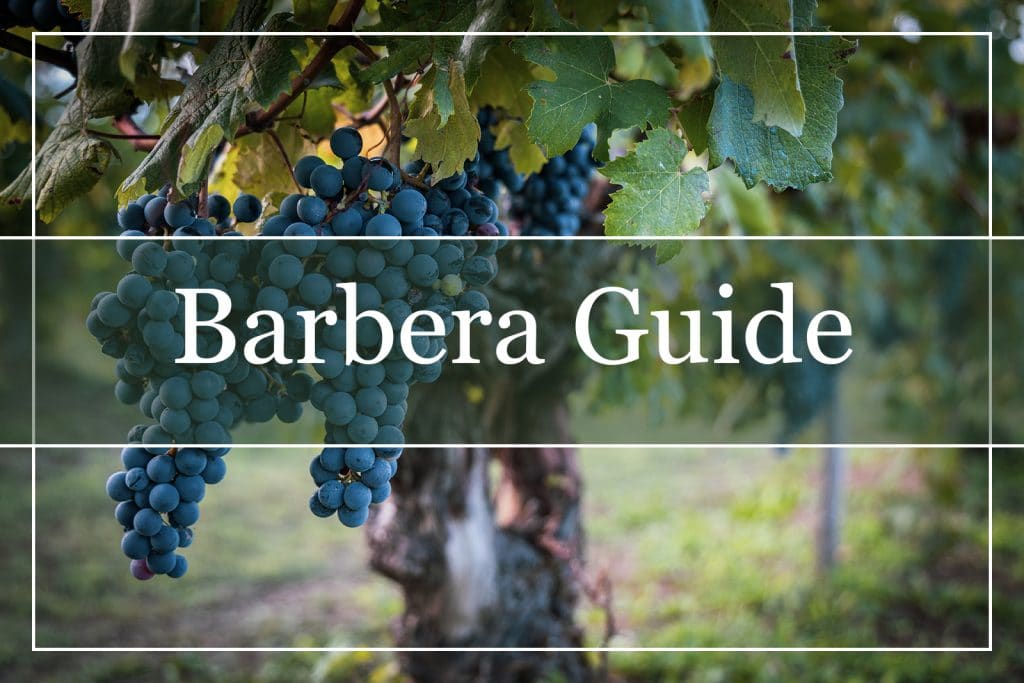
What Is Barbera?
Barbera is a thick, dark-skinned grape varietal found in wine regions in Italy, including Campania, Puglia, Emilia-Romagna, Piedmont, and the islands of Sardinia and Sicily. Two decades ago, Barbera was one of the most most-commonly planted red wine varieties, just behind Montepulciano and Sangiovese, but today that is not the case.
For the most part, Barbera is a blending component. But, due to an increase in varietal labeling in Italy, it is produced as a single-varietal wine, too.
Yet, Barbera does not grow only in the Italian peninsula. In fact, it has traveled a lot during the last two centuries. For this reason, it is cultivated in Argentina, Australia, California, and South Africa, too. How it ended up there, is a mystery, but enologists believe that Italian migrants brought it along with them. On top of that, Barbera adapted to the new environments, giving high-quality wines in every one of these countries.
Fruity Wholeness
And since Barbera is similar to Nebbiolo, grape-growers debate over how to treat it. Some argue that intense maceration without oak is the way to go to increase color and flavor concentration (since Barbera and Nebbiolo produce pale-colored wines). Others, modernists, suggest that barrel-fermentation and barrel aging are better because they give rounder wine styles.
The Barbera characteristics highlight the fruitiness, grippy tannins, and wholeness of the grape. When blended with Nebbiolo, the latter overshadows Barbera in the blend.
If, however, Barbera matures in the bottle for a couple of years, it exhibits distinctive sweetness and sour-cherry notes. Flavors of plum and raspberry are also commonly found in Barbera wines, resembling Merlot and Mourvèdre. And if Barbera is overheated, it produces flat, uninspiring wines, full of cooked prunes and dried raisins. At the same time, the cherry character diminishes, turning into kirsch and mango, giving an exotic vibe.
What Color Is Barbera?
As a thick-skinned red grape variety, Barbera has a deep purple color enhanced by a blueish reflection. It is a varietal from the Vitis vinifera variety of the Eurasian grape species. It might sound surprising, but most grapes used in wine production are family members of the Vitis vinifera. Up until ‘véraison’ and berry ripening, Barbera grapes are hard and thick to the touch. ‘Véraison’ , signals the point at which the grapes begin to ripen. At this point, the skin changes color, turning first red, then purple.
Between ‘véraison’ and harvest, grapes swell and fill with water. During ripening, sugar levels rise, and acid levels drop. Color pigments and flavor components accumulate. Warm and sunny conditions are ideal, while mild water stress inhibits soot growth, encouraging grape ripening. At this point, the Barbera color displays an assortment of indigo colors with Moroccan blue and purple hues. It is quite a welcoming and compelling appearance.
What Does Barbera Mean?
According to many authors, Barbera has a long history. Some claim that it was first cultivated in Italy 700 years ago. Despite its ancient origins, however, the earliest documented date of Barbera is from the eighteenth century. The grape is mentioned in a 1798 official document by Count Giuseppe Nuvolone-Pergamo of Scandaluzzo, deputy director of the Agrarian Society of Turin (Società Agraria di Torino).
The Count created the first categorization of Piedmont’s grape varieties. Even then, Barbara wines were highly regarded and were a favorite of Savoyard army officials. They used to drink Barbara-based wines to boost and maintain their courage during battle. Etymologically, Barbera is an Italian word with Southern Italian origins. It is a derogatory nickname, meaning barber’s wife. It also is used to denote a dishonest woman or a prostitute.
Also, as ‘Barberà’, and not Barbera, is found in the Catalan language. There, it is the name of two habitations, one in the Tarragona province and another in Barcelona. Regarding the latter, there is a municipality named Barberà del Vallès. In both cases, though, Barberà derives from the Late Latin ‘Barbarianum’, meaning place of ‘Barbarius’, a derivative of ‘Barbarus’.
How to Pronounce Barbera?
The Barbera pronunciation is not challenging. Anyone can pronounce it without trouble. Therefore, there is no excuse for pronouncing the word wrong during wine circles or wine-tasting competitions. Barbera is composed of three syllables, and the emphasis falls on the second syllable. Phonetically, it looks like this:
baar-beh-ruh
But in the rare case you are having difficulty pronouncing it, there are plenty of audio and video examples online.
Where Does Barbera Come From?
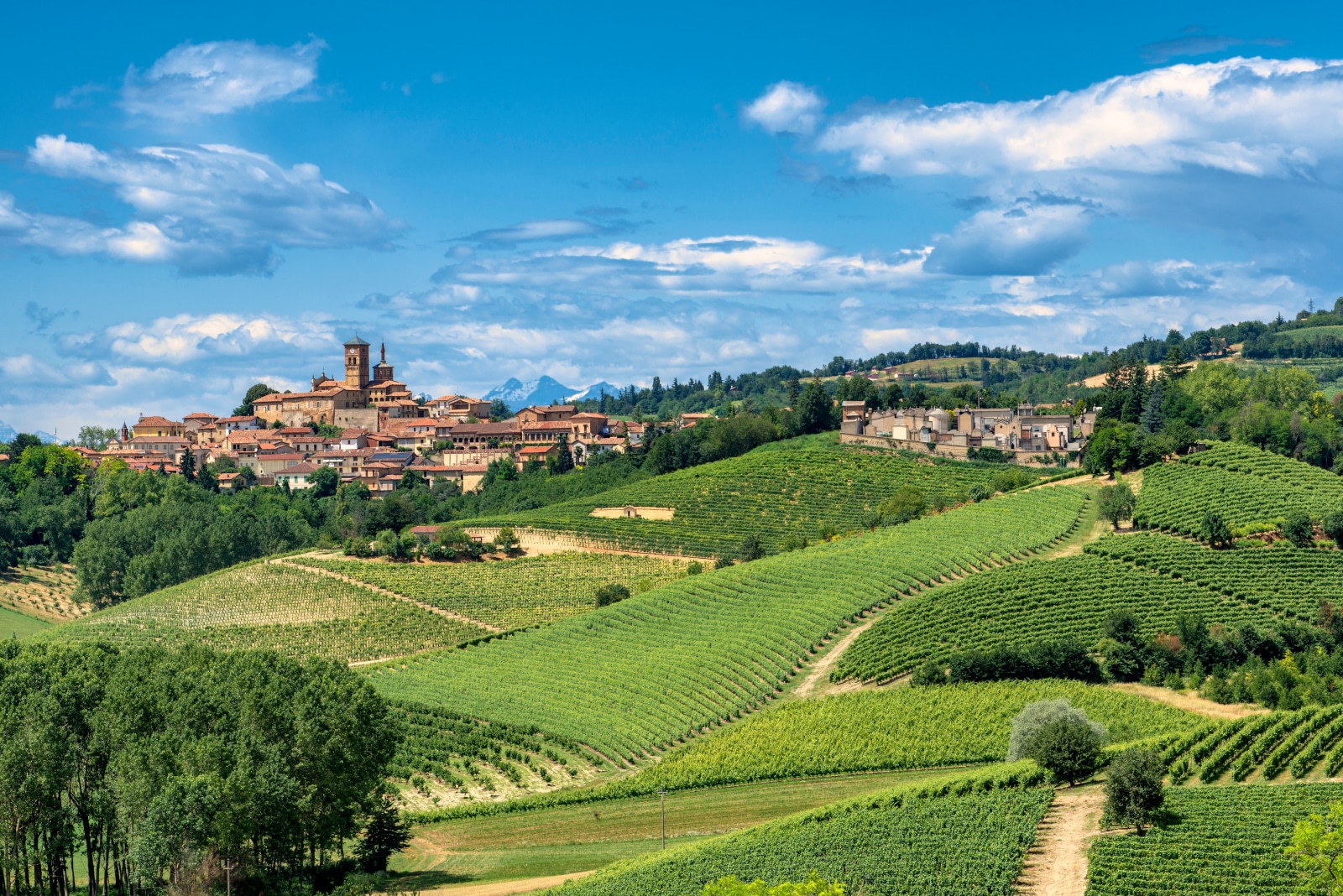
Barbera is native to the region of Piedmont in Italy. Originally planted in the rolling hills of Monferrato, a Cathedral record from 1246 states that the Monferrato vineyards were leased from the Cathedral to wine-growers to cultivate Barbera.
In Italy, Barbera is mostly found Lombardy (Oltrepò Pavese), Emilia-Romagna (small quantities), Sardinia and Sicily (Calgliari, Sassari, Oristano), Campania, and Puglia.
As mentioned above, Barbera is a tolerant grape varietal that can flourish even in not ideal conditions. For example, when Italian winemakers immigrated to the United States in the 18th and 19th centuries, they brought the Barbera grape. They planted it in California, and until Prohibition, it was a beverage favorite. Unfortunately, most of the original Barbera vineyards were damaged and destroyed due to the constitutional ban on alcoholic beverages.
Outside Italy and the United States, Barbera plantings are found in South Africa and Argentina. In South Africa, Cape Town is the main planting area. The grape arrived there in the early 20th century, and ever since it has produced single-varietal wine examples in the Durbanville Wine Valley. Sometimes, they even mature in oak barrels for added complexity. Barbera is cultivated in Overberg in the Western Cape Province, too, where it makes single-varietal wines only after optimal harvest.
Furthermore, Italian immigrants brought the grape to South America, too, specifically Argentina. The majority of Barbera vineyards are in Mendoza, where they act as a blending component. Also, the San Juan region might be known for Malbec, but over the last few years, Barbera has been cultivated too, in the mighty shadow of the Andes.
What Kind of Wine Is Barbera?
Barbera is nearly always produced as a varietal wine or blended with other red grapes. It has high acidity and a low grippy tannin structure. For the most part, it is medium-to-full-bodied with a red fruit personality. However, due to undergoing oak aging and barrel-fermentation, Barbera wines differ from one another. The younger Barberas show vivid ruby color with aromas and flavors of bright berries, while the Barberas that have matured in oak are plummy with dense and grippy tannins.
Consequently, Barbera wines are fantastic to sip on a formal occasion, at a casual picnic, or even poolside if they have a young, undeveloped character.
Is Barbera Dry or Sweet?
Barbera is easy to pin down into a specific category, as the grape produces almost exclusively dry red wines. That said, Barbera wines that age in oak or bottle-age for an extensive amount of years might show a slight sweetness, which would be coming from concentrated flavors of stewed red and black fruits. A young Barbera wine, therefore, is going to be fresh, vivid, and bone-dry. There will be zero indication of residual sugar.
Flavors in the wine, though, depend also on how skillful a winemaker is. Winemakers shape the character of wine during fermentation by implementing various enological techniques. For example, malolactic conversion (introduction of lactic acids to soften the body of the wine) or the addition of rectified concentrated grape must (RCM) to increase sweetness.
Additionally, the terroir has a crucial role in how the final wine tastes. Barbera thrives in less fertile soils and clay loam. The vineyards also are inclined towards the sun to receive as much sunshine as possible, increasing sugar concentration and yields.
What Does Barbera Taste Like?
Barbera tasting notes are highlighted by the gentleness, crispiness, and dynamism of red fruit flavors. In a way, Barbera is both light and bold. It has a medium-to-full body complemented by a wealth of cherry, strawberry, and plum aromas and flavors. Consequently, Barbera’s flavor profile is fruity, fresh, and juicy, all at the same time, depending on the wine-making region and wine style.
Let’s try to break down the two separate flavor profiles of Barbera:
Young Barbera
Younger or developing Barbera wines have an intensely aromatic nose packed with the characteristic Barbera aroma of violet. On the palate, flavors of unripe strawberry, raspberry, and blackberry dominate. The tannins are almost non-existent, muted, while the acidity is high, resulting in highly refreshing sensations. The finish is medium and has a touch of nutmeg and vanilla spice.
Matured Barbera
Older Barberas, on the other hand, that have matured in large neutral oak casks show medium aromatic intensity but plush flavors that flood with notes of cherry, plum, and dried berries. The tannins are grippy but delightful, giving a bold tannic structure to the body. The acidity is high, too, just like in younger Barbera wines, but it has subsided. It is not that refreshing. The finish is lengthy and creamy, with lingering flavors of dried leaves, cooked fruits, cloves, and smoke, adding a sophisticated tone to the Barbera taste.
How to Serve Barbera?
Barbera can be served either young or after extensive bottle-maturation. When it comes to serving it, the best temperature to serve Barbera is 50-60°F (10-15°C). On top of that, try to pour the wine into larger-sized red wine glasses.
Burgundy glasses will not work with Barbera, as a varietal, it does not have enough aromas to communicate to wine fans. It may have aromatic intensity, but there is not aromatic complexity.
To mature a Barbera wine, seal it with a cork and store it in an environment with room temperatures that do not fluctuate (50-60°F or 10-15°C) and a portion of humidity.
Direct sunlight or artificial light should be kept at bay, as they may cause irreversible damage. Intense exposure to light rearranges the chemical makeup of wine. For example changes to oxygen and temperature, can cause wine faults. That means that the wine ages prematurely, and its aromas, flavors, and even color change for the worse. The resulting wine is known as light-struck.
Odors also must be avoided, as they might find their way inside the bottle. If they do, they usually instill unwelcome aromas and flavors, like intense animal sweat or vinegar. However, do not let this wine mature over four years. It will become too sweet and develop those very unpleasant flavors, mentioned above! In fact, strive to uncork the Barbera after two years of maturation because, at that point, the wine is at its best.
How Long Should Barbera Breathe?
Since Barbera can range from light to a full-bodied wine, it would need from a little to a lot of aeration. Overall, though, a good estimate is to decant the wine and let it breathe for up to an hour before serving. The large surface of the decanter provides Barbera with essential aeration. As the air comes into contact with the wine surface, the red fruit nature rises, uplifting wine fans. Also, by decanting it, its beautiful ruby color appears. A crystal decanter would make a fine choice, as you present the wine at a formal dinner.
What Food to Pair With Barbera?
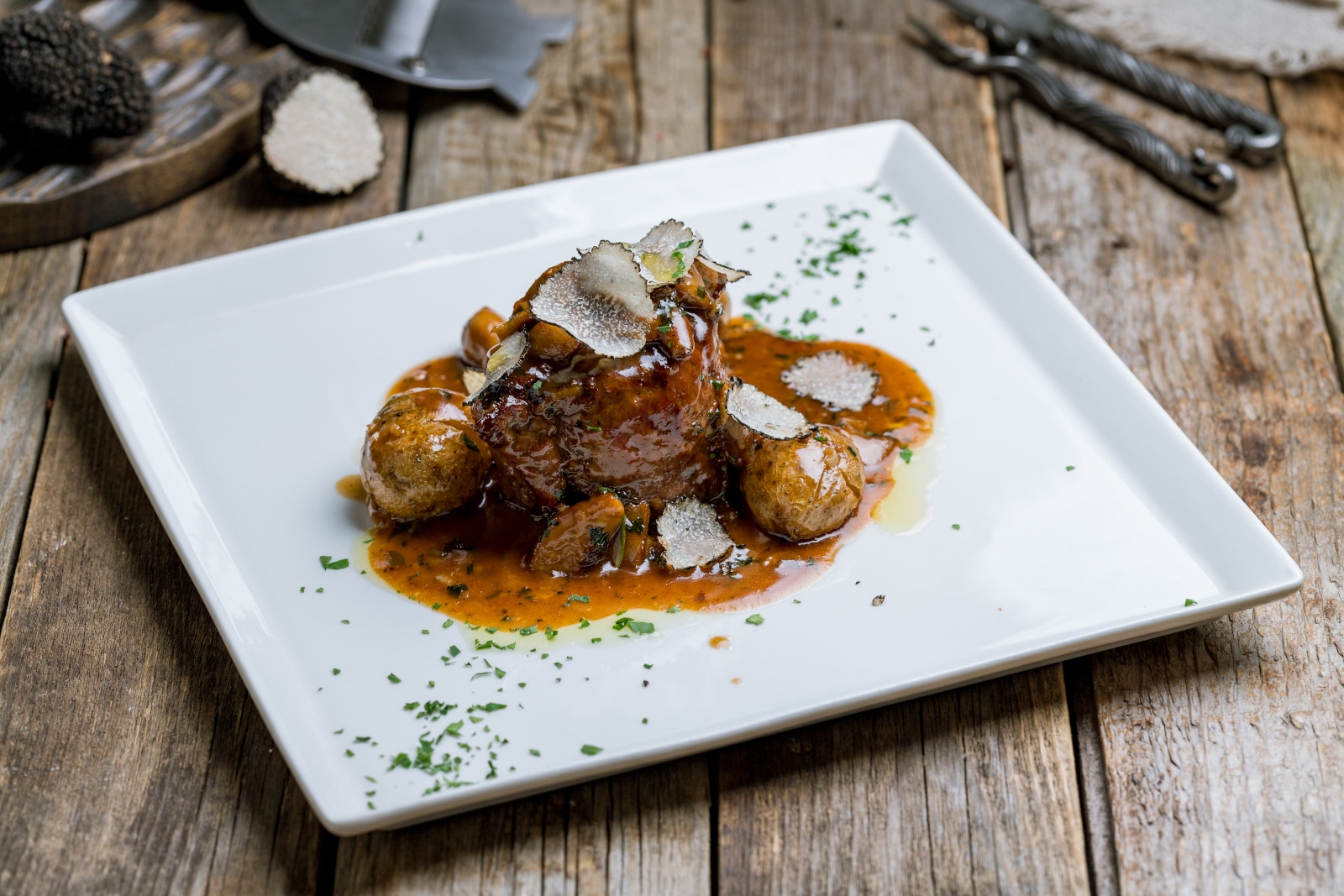
Barbera wine tastes best when combined with rich and luscious food, such as dark meats, herbs, or herbaceous dishes. In particular, Barbera matches incredibly with Truffles from Piedmont, its native region. Additionally, risotto, game meat, and herbaceous cheeses are excellent pairing choices, too.
The point is, to base Barbera food pairing around the vivid acidity found in the wine. By doing so, high tannin or rich fatty courses feel fulfilling, giving mouthwatering sensations. Some sample flavors to try with the wine are sage, cinnamon, nutmeg, sour cherry, strawberry, white pepper, or anise. Under certain circumstances, you could even place them inside a glass of Barbera for a Sangria feel.
Barbera Cheese Pairing
Herbaceous cheeses make a good pair with Barbera. Try the wine with dill Havarti or rosemary and olive oil Asiago. Additionally, enjoy the wine with cheeses made from cow’s or sheep’s milk, such as Grana Padano or Pecorino. Serve the cheese on a cheese board or as part of pasta, pizza, or Piemonte-style cheese fondue.
As a final note, you can also match Barbera’s high acid levels with a raspberry or cherry pie for dessert or with a plate of seasonal fruits.
How Much Alcohol Does Barbera Have?
The Barbera alcohol content is relatively high for a red wine, in the range of 13 to 15% ABV. Before purchasing, however, double-check the label to be sure and remember to enjoy the wine responsibly.
How Many Calories Are There in Barbera?
Calories in wines are based on the amount of alcohol and sugar levels. A wine with a high alcohol concentration, therefore, will most certainly have a high caloric density. Regarding Barbera, as expected, it is an average dietary choice. The carbs in Barbera are in the range of 1 to 4 per glass, while the calories are 117 to 125 per serving. As a consequence, consumers monitoring their caloric intake might want to avoid too much consumption of this wine.
Conclusion
Barbera has a long history as a grape varietal, planted in the valleys and low slopes of Northern Italy. It might be a weaker wine than Nebbiolo, with which it often combines to create the prestigious Barbaresco blend, but it does have its own distinctive character. With violet and strawberry aromas and cherry and plum flavors, Barbera wines are delicate and palatable. Therefore, whether young or aged, Barbera is well-appreciated among wine enthusiasts.