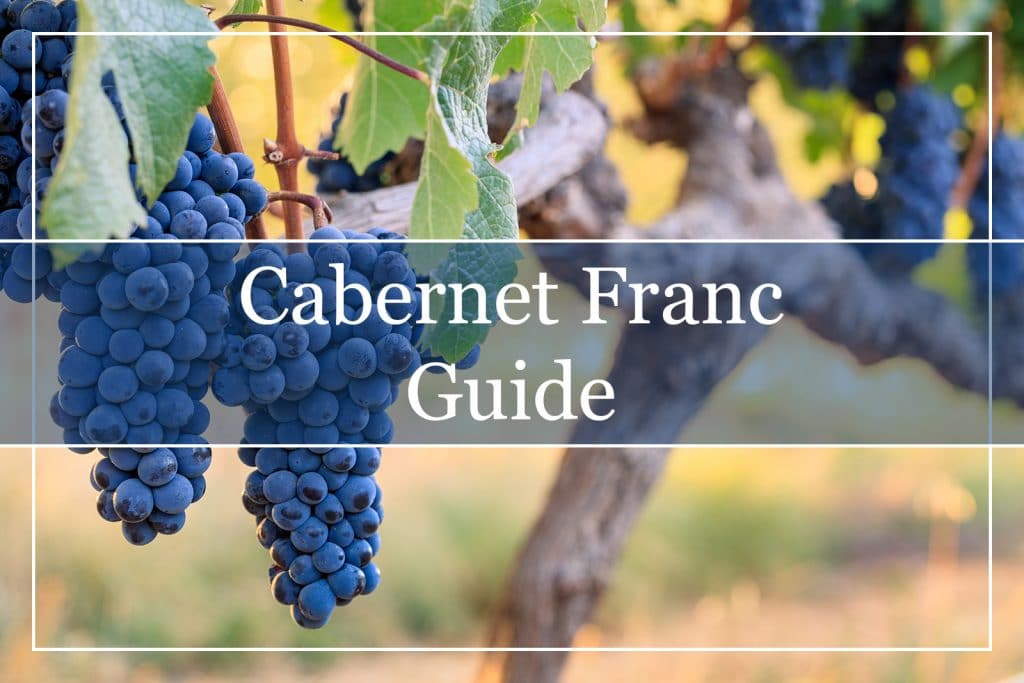
What Is Cabernet Franc?
Cabernet Franc is a red wine that is made from one of the largest black grape varieties in the world. This wine can be made as a single-varietal wine, but it is very often used in blends. It is favored for blending because it brings a light perfume and delicate finesse to stronger grape varieties. Often confused with Cabernet Sauvignon, it is related to that variety of grape but is the softer, more approachable member of the family.
Cabernet Franc – A Cool Climate Wine
The unique Cabernet Franc characteristics make this an interesting if slightly underrated red wine. Firstly, it is noted for being a hardy vine that can thrive in a range of climates – from cool to warmer ones. It is not too demanding when it comes to the soil that it will grow in, thus making it possible to produce in many different countries around the world.
Being well-suited to cooler climates, Cabernet Franc has settled well in places where “New World” wines are produced such as Australia, New Zealand, Argentina, and Chile for instance.
Producing wine from the thin-skinned Cabernet Franc grapes takes skill, however, it produces a wine that has softer tannins and a lighter color than other red wines. This makes it perfect as a light, everyday drinking wine, or as a delicious addition to blends. This fast-ripening grape is mixed with more harsh varietals such as Cabernet Sauvignon and Merlot, and it helps to soften these wines around the edges.
The Bell Pepper Flavors From Pyrazine
The Cabernet Franc grapes contain a unique compound called Pyrazine which gives the wine the characteristic herbaceous aroma of the bell pepper. Finally getting the recognition it deserves, Cabernet Franc is growing in popularity as a relaxed, lighter wine than other red wines, meaning it can be enjoyed in a wider range of settings.
Choose your bottle of Cabernet Franc with care because sometimes the herbaceous notes can be a bit overwhelming in some brands. Having said that, do not disregard this wine because there are some delicious examples to be found! Enjoy it young, and pair it with a wide range of foods for a memorable drinking experience.
What Color Is Cabernet Franc?
The Cabernet Franc color is a lighter, less intense red than many other robust red wines. It is a light, bright wine with a pale red hue. This is enhanced by the lovely luminosity of the wine. The color may intensify with age, and you will find examples of the red color moving through ruby to a rich garnet as time goes by.
What Does Cabernet Franc Mean?
The literal translation of Cabernet Franc to English is “pure cabernet”. The word cabernet means a single varietal wine, and in the case of Cabernet Franc means a bottle of pure wine as opposed to a blend. With this wine, you will get to experience a truly authentic red wine.
A Charismatic Pure Wine
A “Franc” wine has a clean, fresh scent that is distinctive and speaks of its typology. This makes it instantly identifiable and encapsulates all the primary characteristics and charisma of this wine.
How to Pronounce Cabernet Franc?
In sophisticated wine circles, it is important to know how to pronounce the name of wines and grape varieties correctly. This ensures clarity and avoids confusion. With the word originating in France, Cabernet Franc pronunciation follows the general rule of not sounding the “t” at the end of cabernet.
There are many helpful videos online which will tell you the correct pronunciation. Here are some examples of how dictionaries suggest you should pronounce the name of this wine:
Cabernet Franc (“Cab-err-nay fronk”) or ka-bər-ˈnā-ˈfräŋk
Where Did Cabernet Franc Originate?
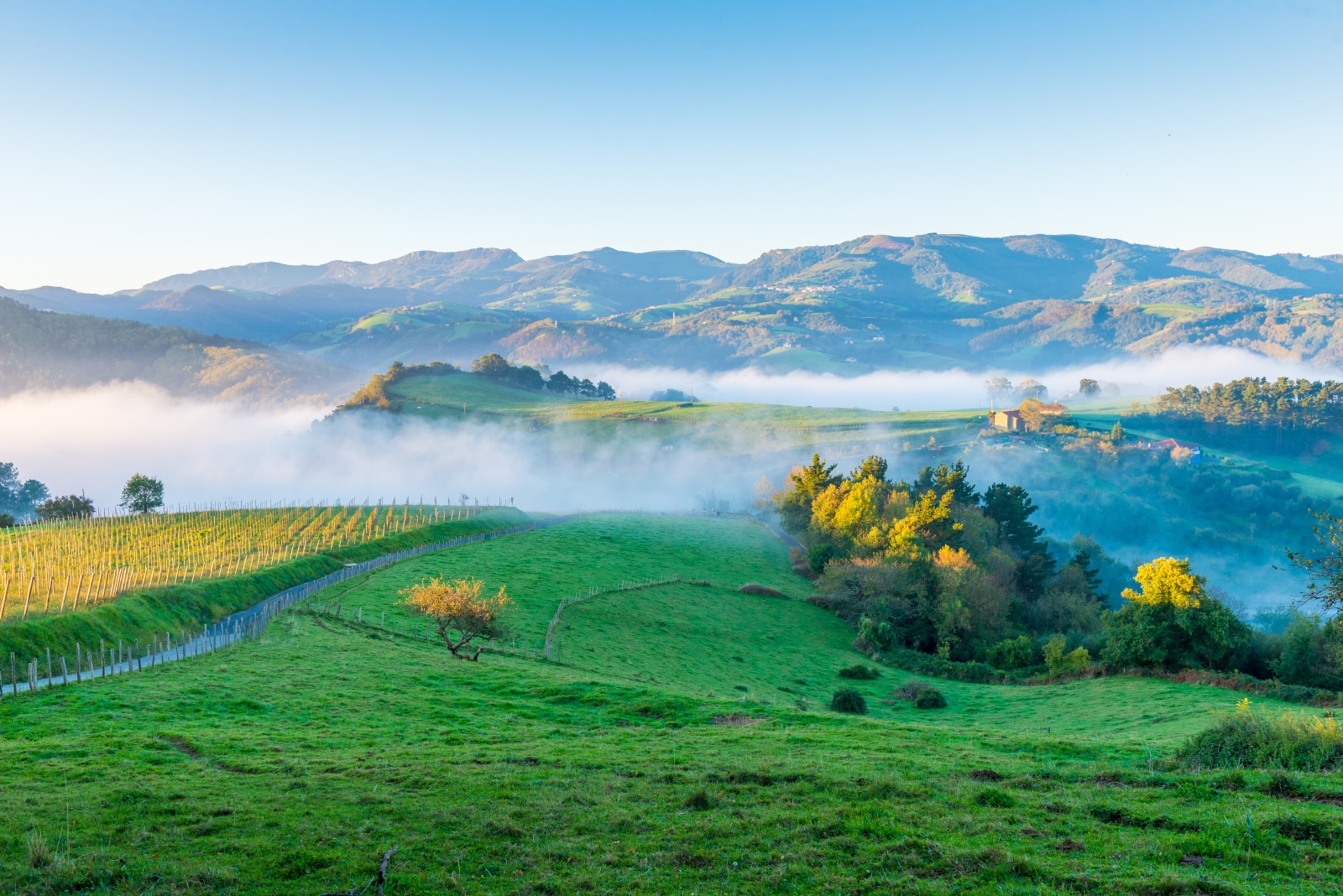
There is some debate about the exact location of the original Cabernet Franc vines, but the most commonly agreed place is the Basque country (Western Pyrenees) in the region where Spain and France meet along the shores of the Bay of Biscay. This is a windy, rustic location where any plant needs to be hardy to survive. Cuttings of the vine were taken to the Bordeaux region of France at some time in the 17th century.
A Perfect Match
The romanticized tale of how the Cabernet Franc met the Sauvignon Blanc varietal and together created the renowned Cabernet Sauvignon grape has been proven scientifically. Scientists who research grape varietals (Ampelographers) are agreed that the birthplace of Cabernet Franc was somewhere on the Spanish/French border in the South West because it is related to several other varieties such as Cabernet Sauvignon, Merlot, and the rare Spanish grape, Hondarribi Beltza.
What Kind of Wine Is Cabernet Franc?
In today’s politically correct culture, I am not really comfortable with the sexual pigeonholing of particular wines. However, in the light of Cabernet Franc’s position of being compared with the beefy Cabernet Sauvignon, I am going to indulge myself just this once.
So, I am going to describe Cabernet Franc as being the “anima” to Cabernet Sauvignon’s masculine character (to use Carl Jung’s terminology). Wine experts use words like “subtly fragrant” and “gently flirtatious” to describe this light red wine. It can also be a little capricious, with vibrant, vegetal, and floral flavors and aromas. Balancing the ripe, fruitiness, this wine is also earthy, spicy, and savory presented in perfectly layered complexity. And it manages to squeeze all this flavor into a petite, medium body.
An Early Developer
This cool climate grape is considered to be like a precocious teenager who is in a hurry to become a grown-up! It forms buds and ripens a couple of weeks before its relative, Cabernet Sauvignon, does. This also means that stored bottles will mature many years before other reds that were grown at the same time. With the high Pyrazine content and resulting peppery flavors, this grape variety can be quite elegant if allowed to reach a state of ripened perfection.
Is Cabernet Franc Dry or Sweet?
With a body and tannins that fit into the medium category, Cabernet Franc is considered to be a dry wine on the sweetness scale. I think Goldilocks would consider this red wine just right. It is not too heavy, not too thin, and not too sweet. Just right!
What Does Cabernet Franc Taste Like?
Wine lovers who have not tasted Cabernet Franc before are going to be in for a treat when they sample this red wine. It has some unique flavors, and the Cabernet Franc taste is not easily forgotten. Wines produced from 100% Cabernet Franc grapes are subtle, yet aromatic. The Cabernet Franc aroma is presented with innocence and candor.
Cabernet Franc Tasting Notes
You will be able to identify cherry, strawberry, and raspberry followed by the savory notes of tomato, herbs, and a hint of bell pepper. Some people catch the taste of fresh mint, pencil shavings, and gravel, which brings the Cabernet Franc flavor profile back down to earth. Everything is pleasantly rounded, and never too heavy. This wine has a lively freshness that comes from just the right amount of acidity. This wine has a pleasant dryness caused by smooth tannins. During the winemaking process, tannins are extracted from the skin of the grapes, making this wine medium dry.
Location, Location, Location!
An interesting point concerning the taste of this red wine is the diversity of flavors that arise depending on where the vineyard is located. Cabernet Franc from cooler climates like France and Canada have sharper fruit flavors and higher levels of acidity. Wines produced in warmer parts of the world such as Tuscany and California have deeper, sweeter dried fruit flavorings.
Naturally Resistant to Pests and Diseases
Previously, I mentioned the distinctive bell pepper taste of Cabernet Franc. This is caused by Pyrazines, which are compounds that arise naturally in the vines and they act as a biological resistance against damage from pests. This is one of the reasons why this grape can flourish in varied locations around the world.
How to Serve Cabernet Franc?
Being a medium red wine, Cabernet Franc is well suited to a light chilling before it is served. This is especially true in hot weather and makes a very pleasant cool drink for lovers of red wine. The ideal temperature to serve Cabernet Franc is 16-18 degrees Celsius (60-68 degrees Fahrenheit). This temperature will enhance the flavors, but you can raise the temperature by a couple of degrees for a mature vintage.
It is not necessary to decant a Cabernet Franc, but aeration will lower the intensity of its inherent spiciness. After just thirty minutes, this red wine will taste softer with more defined aromas, and that will elevate the deliciousness of this wine to an even higher level.
Possible to Store, but Better Drunk Young
Cabernet Franc can be consumed young, but it also has the potential to mature if stored in a cool, dark cellar. It is recommended that you consume this red wine within five years, but top-quality examples from the Loire Valley, France can age gracefully for up to fifteen years.
Pour your Cabernet Franc into a standard red wine glass, preferably one with a large bowl, and enjoy!
How Long Should Cabernet Franc Breathe?
Allow your wine to breathe for up to thirty minutes before serving. This aeration will give the wine time to “puff out its chest” after being imprisoned in the bottle for a length of time. It is worth doing this as it will greatly enhance the tasting experience.
Pour the wine slowly into a bowl-shaped glass. This is best performed from a height, as it gives the wine an additional opportunity to aerate.
What Food to Pair With Cabernet Franc?
Cabernet Franc food pairing is a doddle because this wine is so versatile and matches almost any cuisine or occasion. If you enjoy cooking with fresh herbs such as parsley, mint, rosemary, and thyme, then this is the wine to make your food come alive! Here is just a small selection of pairings that I would recommend:
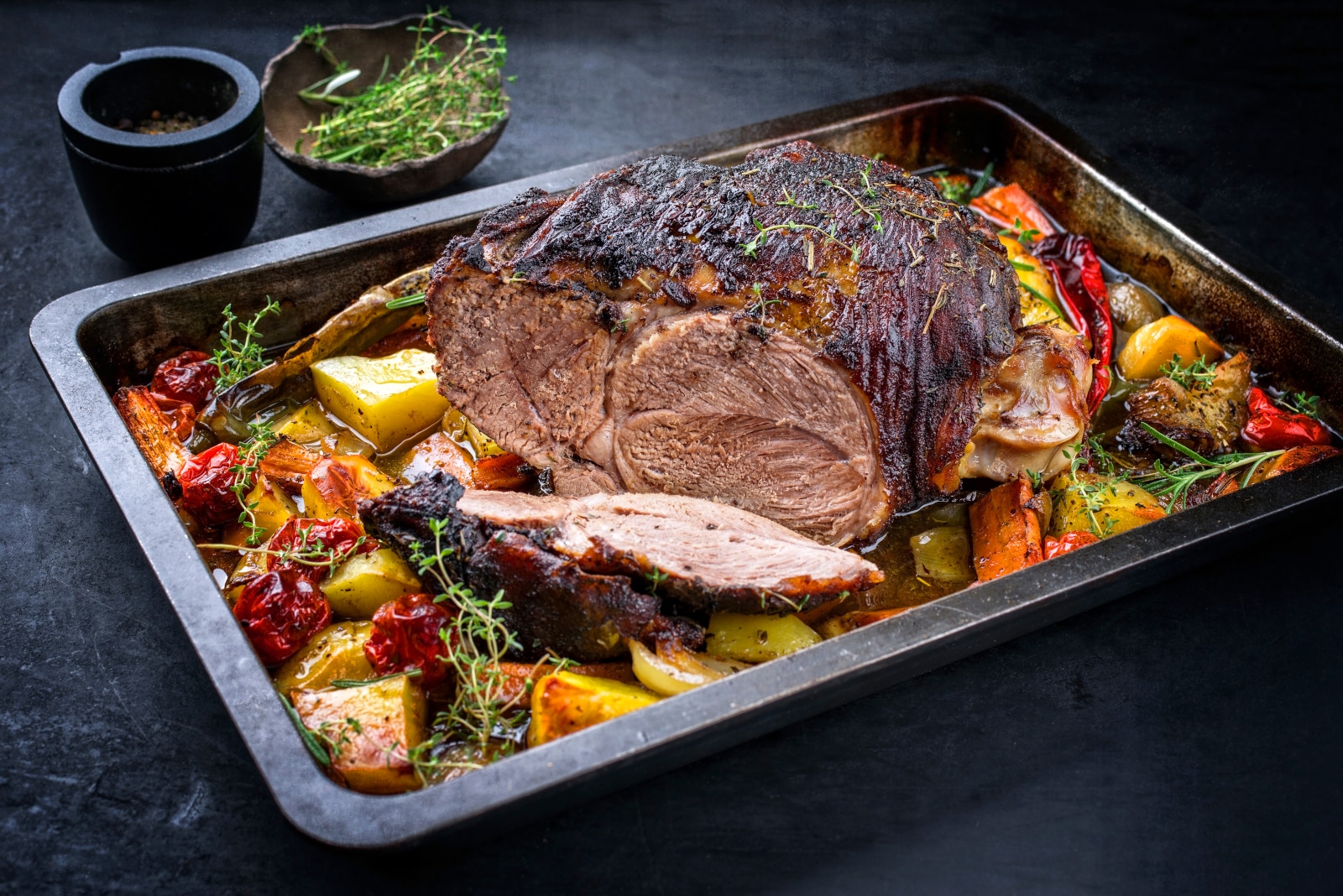
Roast Lamb, Beef, Poultry or Game with Rosemary
Almost any Italian dish – pasta with rich tomato sauces, pizza, lasagne, and truffle risotto. The tangy flavors of cold cuts like salami, ventricina, and hearty pork sausages will sing a duet with this red wine!
Grilled vegetables like stuffed peppers, aubergine, or asparagus
Cabernet Franc Cheese Pairing Should Not Be Overlooked!
The fresh acidity of the wine will match perfectly with sharp-flavored or creamy cheeses like Feta and Gorgonzola.
Post dinner, if you are serving a lemon-based dessert, you will excite the taste buds beyond belief if you serve it with a glass of Cabernet Franc.
Sometimes you might just want to add a snack to your Cabernet Franc aperitif, and serving nibbles like salty olives, crisps, and herby dips will go down a treat.
How Much Alcohol Does Cabernet Franc Have?
Compared to other red wines, the Cabernet Franc alcohol content is relatively low. At between 11.5–13.5% ABV it is considered to be in the medium alcohol range. The location of the winery, along with the winemaker’s skill and technique will determine where a bottle of Cabernet Franc will fit in the alcohol range. It is not uncommon to experience the sensation of “alcohol burn” at the back of your throat after taking a sip. This is not as unpleasant as it sounds!
How Many Calories Are There in Cabernet Franc?
In our health-conscious world today, many of us have begun to carefully consider our daily carbohydrate intake and nutritional data is very important. Just because Cabernet Franc is a drink does not make it carb-free unfortunately. The carbs in Cabernet Franc, however, will not send you running into the hills if you are a wine lover. There are just 125 calories in a 5-fluid ounce serving of this red wine. That means that the carbs in that serving amount to 97% of the calories. On the plus side, there is 0% fat!
Conclusion
With its lighter, more chilled-out characteristics than its heavy-weight relations, Cabernet Franc is a great everyday wine. It has a soft embrace and a spark that will put a twinkle in any wine lover’s eye. It is perfect for so many occasions and its versatility makes it a “must-have” for social gatherings or as an accompaniment to large family meals.
Good Value for Money
Another good reason to consider when buying Cabernet Franc is that you will be getting excellent quality wine at a more reasonable price than what you would pay for an aged Cabernet Sauvignon or the like. So, in my opinion, Cabernet Franc has so many positives in its favor, it would be a crime not to give it a chance to woo you with its full-flavor, energetic tannins, and accessible price.