What Is Marsanne?
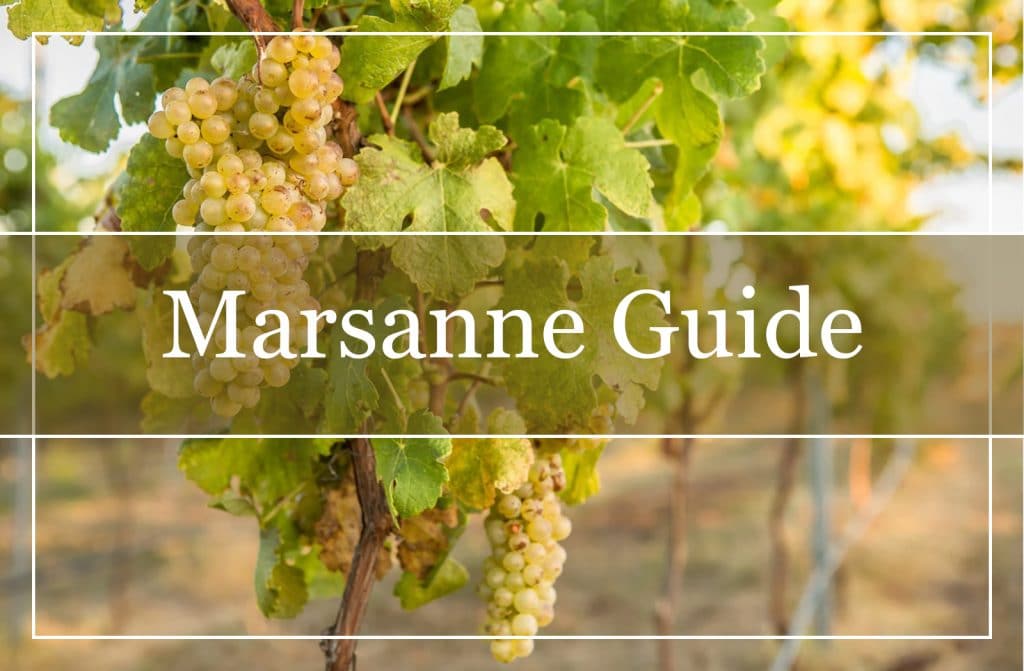
Marsanne is a white wine made from grapes which are rather small and not tightly bunched. This allows the delicate colors of gold green and brown to shine through the bunch. The Northern part of the Rhone Valley of France is the traditional home of Marsanne where it is the most popular planted grape.
Marsanne and Roussanne share a close affinity and with common ancestors, they are remarkably similar, but Roussanne tends to be lighter with fruity and floral tones, Marsanne is a fuller-bodied wine and can have a rich and almost nutty complexity. It has another advantage over Roussanne in that it is easier to grow and there is a popular trend in France to replace Roussanne vines with Marsanne.
Versatile Grape
Marsanne characteristics allow it to be utilized in a wide variety of instances. These range from blending with red wine, particularly Hermitage, to reduce the tannins and infuse a little lightness to the aroma and taste. Or in white wine blends, where Marsanne is most often blended with Roussanne and also Viognier to introduce the additional body to the wine. Marsanne can not only produce dry wines but by using the Vin de Paille method delicious and sweet wines are also possible.
The characteristics are dependent upon the soils as well as the temperature. The ideal climate for Marsanne is one of the warm days and cool nights. Too warm and the wine loses its structure while temperatures that are too low rob the wine of flavor.
Outside of the Rhone Valley Marsanne enjoys considerable support in Australia where some of the oldest vines are to be found. Marsanne was introduced into Australia over one hundred and fifty years ago.
What Color Is Marsanne?
Marsanne is a white wine with a clear bright color. The young wines have a translucent color with a subtle hint of pale straw. As the wine ages the Marsanne color develops and deepens into a rich straw color and after ten years or so it will take on a warm and welcoming amber hue.
What Does Marsanne Mean?
The name appears to have been derived from the commune where the grape has traditionally been grown. Marsanne has a small population of under fifteen hundred inhabitants.
How to Pronounce Marsanne?
It is difficult for English speakers to emphasize soft consonants like ‘m’. The correct Marsanne pronunciation tends to lean on the first syllable of the word so the ‘mar’ is emphasized followed by a softer and gentler ‘sanne’ which would rhyme rather closely with lane.
The ‘e’ is silent much like native English speakers would pronounce the ‘e’ in ‘name’ or ‘pane’.
Where Does Marsanne Come From?
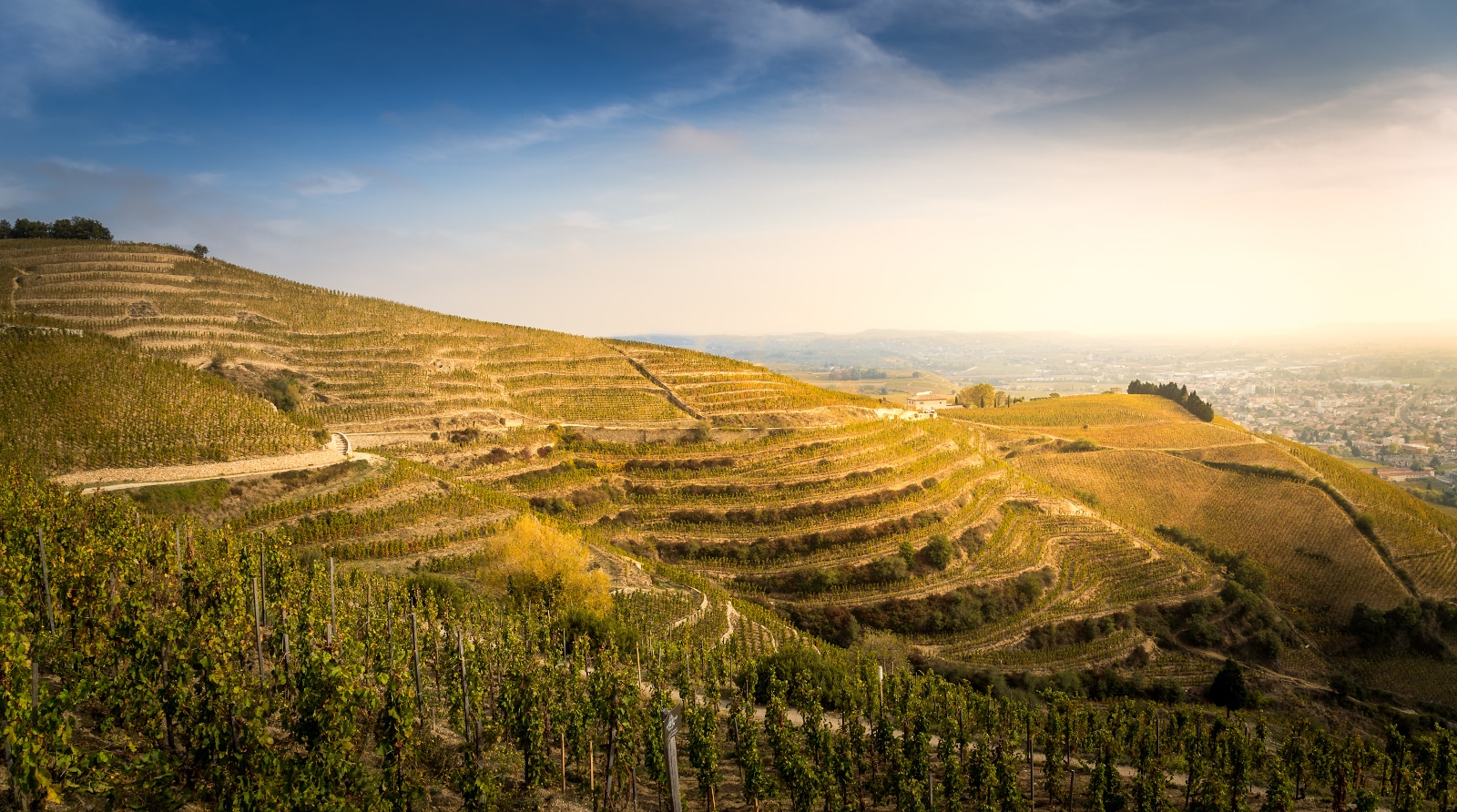
Marsanne has its roots in the northern section of the Rhone Valley particularly in Hermitage but it does also have a popular following in Savoie and other areas throughout the Southern Rhone region. Languedoc- Roussillon, and Provence all make use of the exceptional blending qualities of Marsanne. In neighboring Switzerland, it is known as Grosse Roussette and this name extends to Marsanne grown in Savoie as well.
Marsanne extended its popularity to the southern hemisphere in the late eighteen hundreds when it was introduced into Australia in the 1860’s. Victoria State has become the central producer of Marsanne, and Australia is the second-highest producer of Marsanne wine after France.
Over a century after Marsanne had taken root (literally!) in Australia the grape was introduced into the USA, mainly in the central coastal areas of California where it now forms an integral part of the locally produced Rhone-type blends. Marsanne has been actively promoted by supporters of Rhone style wines known as the ‘Rhone Rangers’ who have actively extended the growing of Marsanne into other areas like Texas.
What Kind of Wine Is Marsanne?
Marsanne is a wine of many kinds. It can be a sweet and rich dessert wine, or it can be a dry light wine, and then left to age it takes on a richness with an amber color and a range of nutty and marmalade flavors.
Being such a delicate grape, the harvesting of the grapes must be timed with expert precision. Harvesting tends to be done on the short side of full ripeness to prevent the acid content from dropping off and making the wine lose structure. Perfect timing results in a wine that is wonderfully structured.
Mostly for Blending
Marsanne is most frequently used as a blend for both white and red wines but has Roussanne as its favorite companion. Sometimes utilized to bring Hermitage a little lightness it can also be used to make some decadent straw wines. The Vin de Paille method creates a wine of delicious sweetness by drying the grapes on straw mats prior to pressing. The rich golden color harbors flavors of honey and candied fruits nicely balanced by appropriate acidity. One of the more famous of these wines is Hermitage Vin de Paille which despite the name is made with Marsanne grapes.
Marsanne steps lightly on a tight-rope between acidity and ripeness and consequently extreme care needs to be taken to pick the grapes at the correct stage of ripeness.
As Marsanne is an extremely vigorous grower the vines are limited to slopes where the soils are of granite, chalk, and limestone types. These poorer type soils serve to limit the growth of the vine and thereby allow for a wine of more substance.
Is Marsanne Dry or Sweet?
The answer to this question is that it could be both. Left on its own and created in the traditional manner, the wine tends to find a home on the dry side, and this is the most common form of Marsanne.
When treated to the straw mat process, Marsanne produces a delicate and delicious dessert wine.
What Does Marsanne Taste Like?
The Marsanne flavor profile changes over time. It is one of the white wines that ages particularly well. When young the color is light with the slight straw hue and the taste ranges from citrus and stone fruits. The aroma of Marsanne is its trademark honeysuckle and sometimes there is an undertone of almonds.
The overall impression is one of delicateness with a background of vanilla. It has been described as a ‘comfort wine’ soft and gentle.
As the wine matures in the bottle the color deepens to a more golden shade and the flavors and aromas intensify in sync with the darker color. Marsanne tasting notes emphasize how Honeysuckle becomes even more pronounced as do the flavors of the stone fruit and honey. As the wine matures further the honey flavor tends to move on towards marmalade and caramel nuances.
Although the sweetness of the wine is one of its prominent features the acid content of the wine keeps it on the dry side. The mouthfeel is one of richness and with age there emerges a delicate nuttiness to the wine.
When the wine has been straw fermented Marsanne’s taste spectrum moves to the realm of a delicious and delicately sweet dessert wine.
Marsanne is frequently used as a blending wine because of the mineral flavors and the relatively low alcohol content. The most common pairing is with Roussanne, but the flavors of Grenache and Viognier are also frequently enhanced by the introduction of Marsanne,
How to Serve Marsanne?
To fully appreciate the delicate aromas and fruit flavors of the wine the correct temperature to serve Marsanne is between fifty to fifty-five degrees. Under normal circumstances, an hour in the refrigerator will get the wine down to these temperatures.
The correct glass to allow for the full appreciation of aromas and taste is a classic chardonnay glass. A wider bowled glass with a wide rim will facilitate true enjoyment of the attractive aromas.
When Marsanne has been fermented using the straw fermentation method, smaller dessert wine glasses are called for and the wine should be served at around fifty-two degrees Fahrenheit. Some people prefer to use smaller narrow wine glasses for the dessert wine as this allows the wine to be swirled in the glass encouraging the appreciation of the enticing aromas.
How Long Should Marsanne Breathe?
Generally, almost all wines benefit from a little fresh air prior to drinking and Marsanne is no exception. Although the relatively low alcohol content of the wine ensures a smoothness and well-rounded mouthfeel a little air prior to drinking will enhance the enjoyment of the wine.
What Food Should You Pair With Marsanne?
As a result of the character of the wine maturing over time, Marsanne can successfully blend with light salads and white fish when young.
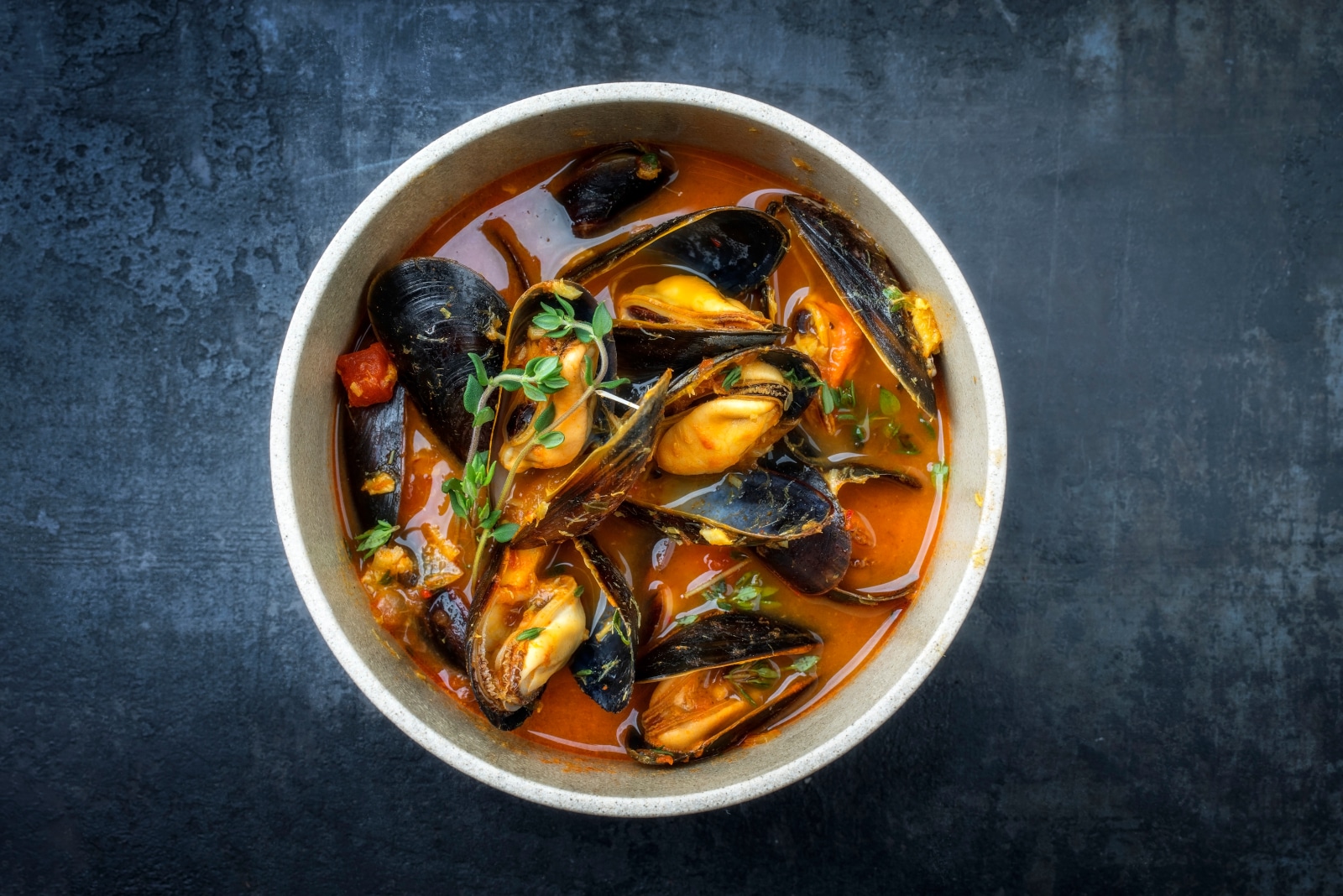
When it comes to Marsanne food pairing, Marsanne is one of those wines that displays an open and welcoming reception to an extremely wide variety of foods as it ages. This gentle wine bestows a warm embrace to all manner of seafood particularly lobster, crab, shrimp, and mussels.
The sweetness of the wine is the perfect partner to the spicy dishes of Asian cuisine, and it also enhances creamy pastas. Furthermore, it has a great affinity with chicken, veal, and pork. It is a truly benevolent partner to such a wide variety of foods.
What Cheese Can You Pair With Marsanne?
Marsanne cheese pairing is relatively easy to achieve. This wine is perfect with dishes that are cheese based such as Lasagne and Pizza, or creamy cheese sauces.
You could pair a glass of Marsanne with mild cheeses such as Chaumes, various types of Gouda, Spanish sheep’s milk cheese or creamy Brie and Camembert. Fruit and nut infused cheese or desserts will bring the full flavors of Marsanne to the fore.
How Much Alcohol Does Marsanne Have?
Marsanne alcohol content is between twelve and thirteen percent. The sugar content is around 2.5 grams per liter and the acidity peaks at about 5.9 grams per liter.
How Many Calories Are There in Marsanne?
In the average five ounce serving of Marsanne there are approximately ninety-four calories. The carbs in Marsanne center around 5.5 grams per serving.
Conclusion
Marsanne is one of the older wines that traditionally was favored to blend with Roussanne. In the Northern Rhone region, Marsanne is the most popular wine cultivated however it is also found in Switzerland and Australia. The vines require careful timing as the window of opportunity in harvesting is rather short and the tendency is to pick just prior to full ripeness to ensure that the acidity does not fall off. Marsanne has overtaken Roussanne in popularity which has led to the replacement of Roussanne plantings with Marsanne in recent years.
One of the most versatile of wines it can be enjoyed young when it has a bright and natural lightness about it. As it ages through the years it begins to take on a lovely light golden straw color which eventually darkens into a light amber hue. Marsanne has a great aging quality about it and some Australian wineries have tried to age Marsanne for up to thirty years.
A further dimension to the wine is the ability to produce a wonderful dessert wine using the Vin de Paille method where the grapes are traditionally dried on straw mats to increase the sugar content. Once the grapes have dried for a period of approximately three months the wine will have ten to twenty percent residual sugar content.
Rich and Versatile
The wine is famous for the rich and nutty flavors that develop over time and mature into bold and complex tastes with a noticeable honey component. It has superior aging ability and achieves a greater complexity when allowed to mature in the bottle for many years.
Marsanne falls neatly in between Roussanne and Viognier and complements both varietals, it is also frequently blended with Grenache.
The central coast of California has extended a welcome to Marsanne and this has resulted in additional growing areas in the Sierra foothills and to a lesser extent Sonoma and Napa.
Although Marsanne is not a common stand-alone wine it does offer a wonderful opportunity to experiment with wines other than the more popular chardonnays. The wonderful fruitiness and beautiful aromas of honeysuckle will be a rich reward for the more adventurous.