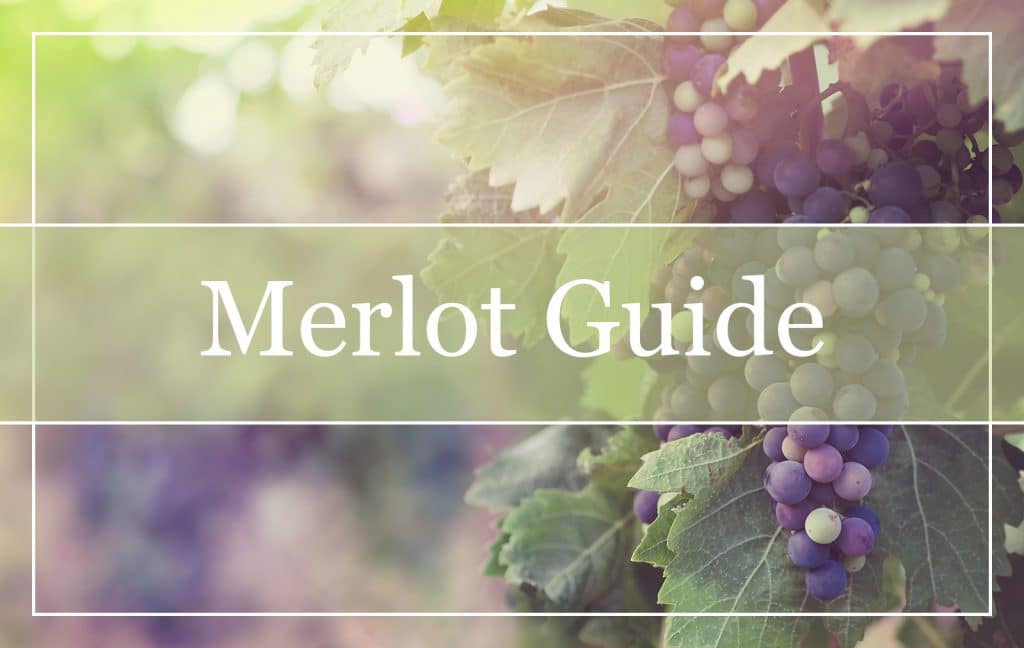
Merlot is renowned for being an easy-drinking red wine that is usually soft and elegant on the palate. For this reason, it is widely planted around the world and is one of the most popular red wines in America. Merlot is excellent as a stand-alone drink and pairs well with a wide variety of foods. It’s considered a great starter red wine for anyone who has not yet developed a palate for red wines.
The wine made from these dark, thin-skinned grapes is one of the main varietals grown in the Bordeaux region of France. It has grown in popularity across the world and is now one of the most commonly grown grapes.
A Long and Chequered History
Merlot has a long history in France going back to 1784 and there are references to this grape in ancient documents. It has not always been plain sailing for this grape, and Merlot grapes were banned from being planted in the 1960s due to an attack of rot.
When it gained popularity in several European countries as well as in the USA in the nineties, it was back onto the road to recovery.
Differences Between Merlot and Cabernet Sauvignon
The grapes on the Merlot vine are easily identified by the large berries that form in loose bunches. Although the name alludes to the darkness of the grapes, they are not as black as those of the Cabernet Sauvignon variety. Merlot has a higher sugar content than Cabernet Sauvignon and a lower malic acid level as well. That is what makes these two grape varieties so different.
A High-Maintenance Grape
To get Merlot grapes to the bottle takes some viticulture skills. The early buds are prone to frost and the grapes are highly susceptible to Botrytis bunch rot. There are also a whole host of other nasty insects and molds that infect the vine and spoil the crop. It prefers cool soil that is well-drained and has to be pruned in a specific way to ensure the best end result. In addition to that, Merlot grapes are fast to ripen and need a watchful eye to ensure that they do not over ripen. The harvest time has to be spot on. All in all, it is a grape varietal that requires a lot of attention, but in the end, it is worth it!
What Is Merlot?
Merlot comes in three main styles. This red can be smooth, soft, and fruity, with light tannins. Then you can get a Merlot that has a firmer tannin structure and more complexity of fruit flavors. The final type of Merlot is hefty red with grippy tannins and a large personality. However, the basic Merlot characteristics of ripe fruit flavors, a smooth finish, and general cordiality make it a red wine to become very familiar with.
What Color Is Merlot?
Red-skinned Merlot grapes are what gives this wine its deep color palette. A young Merlot could be semi-opaque, and then you could find a bottle of Merlot that is a plush ruby shade with glimmers of terracotta running through it. The Merlot color changes as it matures, and some may even become deep maroon in color. The depth of color is usually somewhere between the color of Pinot Noir on the lighter side, and Cabernet Sauvignon on the darker side of the scale.
What Does Merlot Mean?
Legend has it that the Merlot grape was named after an indigenous blackbird that was seen feasting on the ripe, black grapes. The French word for a little blackbird is “Merle” (merlau in the Occitan dialect of the region), so it appears that there is definitely a connection between the blackbird and the black grape.
How to Pronounce Merlot?
Some say that the easy pronunciation of the word, Merlot, has helped to increase its popularity amongst red wine lovers. That is hard to prove, but the delicious, soft characteristics of this wine are definite reasons for its growth in fame.
The correct Merlot pronunciation is muh·low or mer/low
The French pronunciation has a soft “mehr” roll on the first syllable and the final “t” should be silent.
There is no need to lack confidence when it comes to pronouncing Merlot or any other difficult wine names. Many helpful online resources can assist you in being able to hold your own in the company of wine snobs or when ordering from a wine menu.
Where Does Merlot Come From?
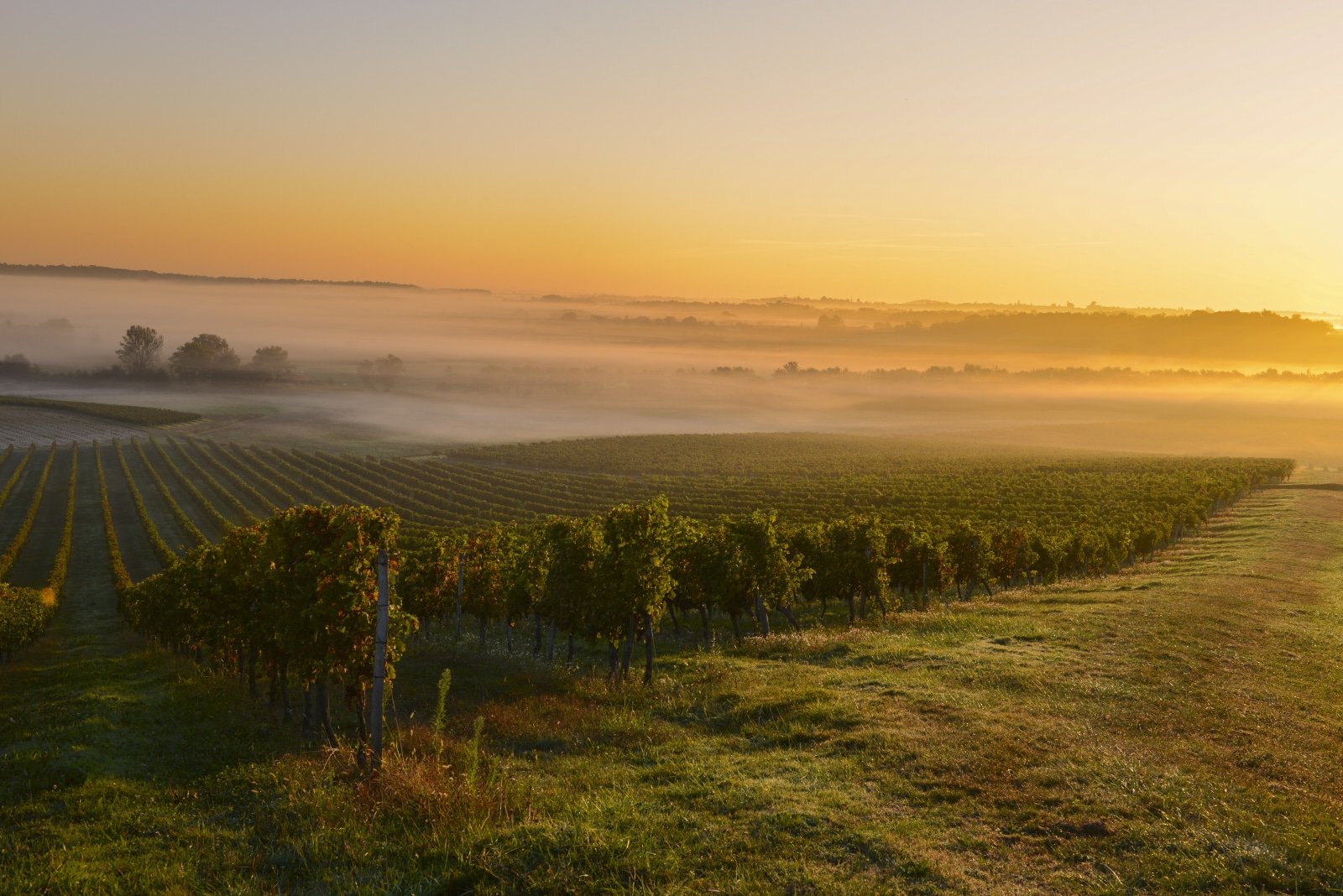
The Merlot grape has a long history in the Bordeaux region of France. At some time around the end of the 1700s, the grape was named in the making of a red wine blend. Because of its soft, approachable profile, it became a popular addition to blend with a slightly rough Cabernet Sauvignon, thereby creating a more succulent wine that was smooth on the palate. This blending became known as the “Bordeaux blend” and is still rated highly by wine connoisseurs around the world.
The Red Wine America Loves
When the Merlot vines reached America, the winemakers of California found that they preferred the wine made from 100% Merlot grapes, and since then, Merlot has not looked back. The main reason for the American preference for pure Merlot wines is the smoothness on the palate due to the low tannins in the wine.
Today, Merlot is grown just about anywhere that Cabernet Sauvignon grows, except it prefers slightly cooler temperatures. Nowadays, Merlot is possibly the most commonly planted grape and can be found in many European countries, Israel Chile, as well as New World countries like South Africa, New Zealand, Australia, and America.
What Kind of Wine Is Merlot?
Merlot is called a chameleon-type wine because it has the ability to take on new characteristics depending on where the vines are grown. New World countries produce Merlot that has been left on the vine as long as possible. Late harvest Merlot has deep colors and deep flavors that come from the additional time spent ripening on the vine. These Merlots are full-bodied and fruity. They have higher alcohol levels and soft tannins, which have made them very popular in these countries.
While Bordeaux is the recognized home of the Merlot, the wines produced there have a higher acidity, lower alcohol levels, and contain floral and some slight vegetal hints, making them seem quite different from the New World Merlot versions. These cool-climate Merlots have compounds called pyrazines, which are responsible for the more aromatic flavor of these grapes.
Bear in mind that Merlot and Cabernet Sauvignon grapes are different, but they are related. Cabernet Franc is a parent to both those grape varietals, and for some, it is difficult to distinguish between the two. It is thought that Merlot is the less complex varietal of the two, with a more subtle and amenable personality.
Is Merlot Dry or Sweet?
Merlot is considered a dry wine, with low residual sugar. That does not mean that there is no sweetness in the ripe fruity flavors that it displays. The dryness is a result of the sugar from the “must” being changed to alcohol during fermentation.
A completely dry wine, like Merlot, is made when virtually all the sugar in the juice is converted into alcohol.
What Does Merlot Taste Like?
A wonderful Merlot will bring to the glass a vast array of flavors. As you lift the glass to your nose there is nothing like the Merlot aroma to get your taste buds doing the tango! Because it is the “chameleon” wine, it absorbs the best from its surroundings and portrays these taste-sensations within its full body, and creates the unique Merlot taste and personality.
Merlot Flavor Profile
There will typically be highlights of ripe summer fruits such as cassis, cherries, blackberry, blueberry, boysenberry, mulberry, and plum.
Within these layers, you can also expect to find the earthy notes of bell pepper, fennel, leather, mushroom, and tobacco.
Herbal Notes
In addition to those flavors, Merlot tasting notes also claim that this red wine is known for having hints of floral and herbal flavors of green tea, eucalyptus, mint, oregano, rosemary, sage, and thyme. Finally, Merlot that has been aged in oak will have the dreamy, rich flavors of caramel, chocolate, mocha, vanilla, and walnut. A smorgasbord of flavors gives Merlot the capability of matching with a vast number of foods from around the world.
How to Serve Merlot?
Typical of red wines, there is a perfect temperature to serve Merlot. Forget the outdated advice about serving your Merlot at room temperature because that is far too variable. For instance, we now have central heating in colder countries, and room temperature in the tropics is definitely too warm for a red wine like Merlot! A warm Merlot is not a pretty thing. The complex flavors of the wine go into disarray and the alcohol taste becomes overwhelming. Incidentally, when Merlot is allowed to chill down too much, it also responds badly with its aromatic and tasty notes becoming muffled and unidentifiable.
Strive For the Perfect Serving Temperature
So, take care to serve Merlot between 60–65°F (15 C). As a general rule of thumb, just 15 minutes in the refrigerator should do the trick and your Merlot will be ready to be served and enjoyed.
An opened, but unfinished bottle of Merlot will be fine if stored in the refrigerator for a couple of days providing you have sealed it with a cork. Test it before drinking, and if any oxidization has occurred, the wine may not be palatable to drink, but it will be a fine addition to a casserole or gravy.
How Long Should Merlot Breathe?
As with all red wines, aeration enhances the flavors and aromas. Decanting a good Merlot will only improve it, so do not hesitate to do so. Leave it standing for no less than twenty minutes before serving, but an hour of breathing time will allow the unique flavors to be released, and the tannins to soften even more.
Pour the wine from a little bit of height above your red wine glass (without spilling a drop). Then admire the glistening deep garnet appearance of the wine in the bowl. The sides of the glass should funnel the aromas up towards the nose and then your palate will be ready to receive a treat.
What Food to Pair With Merlot?
Merlot makes food pairing so easy because of its adaptability and complex flavor base.
Merlot And Meat – Mmmm!
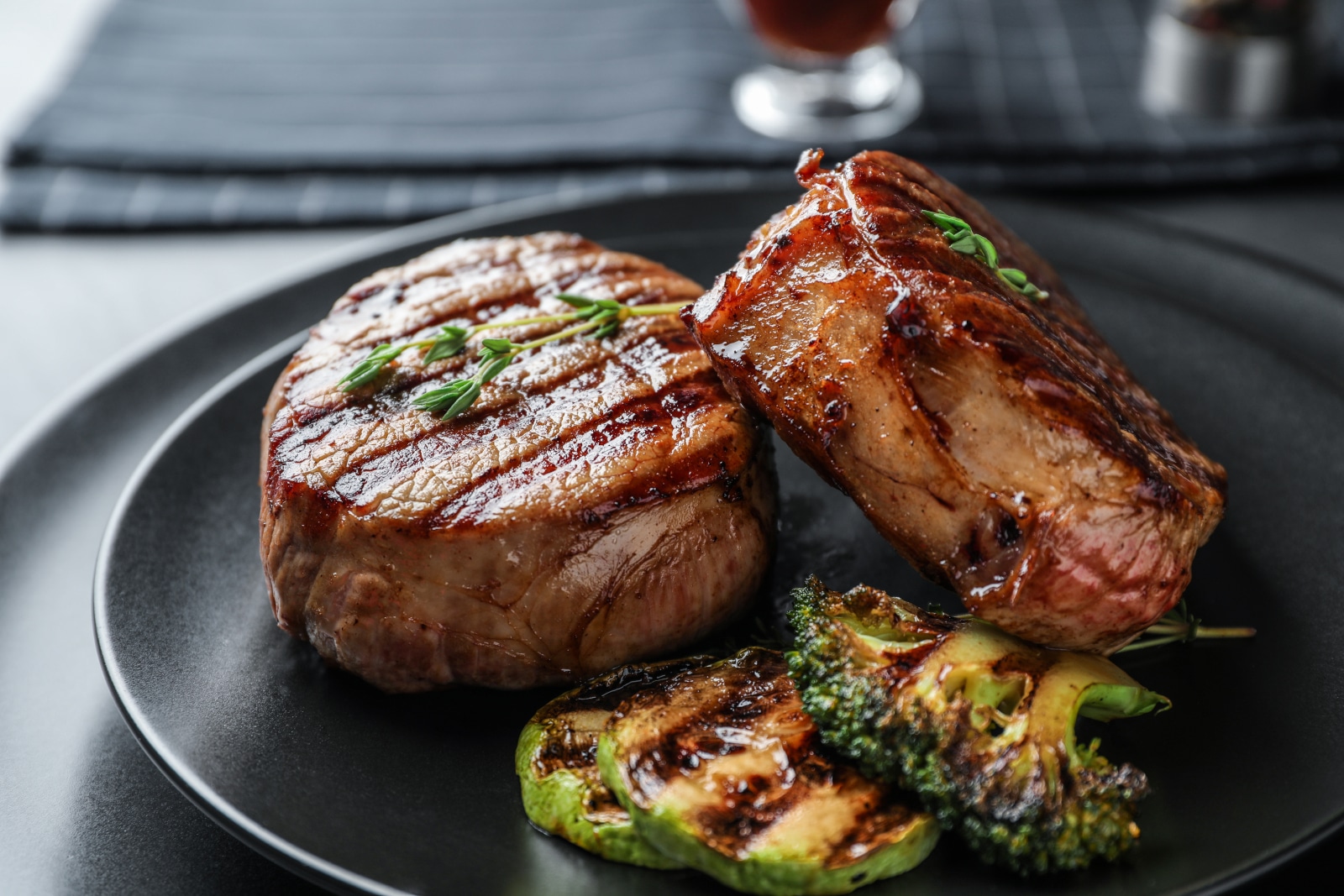
Firstly, Merlot and meat are a match made in heaven. Red meats, whether they have been grilled, roasted, or fried will have their flavors enhanced by a deep, fruity Merlot. But then chicken, turkey, duck, and pork are equally as good. Classical cuisine including venison and informal meals like burgers and chips will taste good accompanied by a glass of Merlot. Italian food which includes hearty tomato and Funghi-based pasta and pizza dishes is ideal to serve with this red wine. A good tip is to match Merlot with food that has an equal intensity of flavor to that of the wine.
Merlot Is a Surprisingly Good Match With Seafood
Softer Merlots from cooler regions are unexpectedly well-matched with seafood. Take a chance to serve this style of Merlot with salmon, and shellfish such as prawns and scallops especially if they have been wrapped in a salty blanket of bacon or prosciutto.
A Final Word of Warning
Please bear in mind that compounds in Merlot wine will clash with spicy foods that contain capsaicin. This will result in the wine tasting bitter and unpleasant.
Merlot Cheese Pairing
It is important to note that, unlike most other red wines, pairing Merlot with cheese requires some careful considerations. Cheeses that have very strong flavors, and some blue-veined cheeses are not suitable to pair with Merlot because they will overpower the fruit flavors of the wine.
For your cheese board, it is recommended that you include soft, creamy cheeses such as Brie, Camembert, Gouda, and Gruyere. Parmesan with Italian food is also fine.
How Much Alcohol Does Merlot Have?
The Merlot alcohol content tends to be in the higher range of 13.5% to 14.5%. The higher alcohol levels are found especially in the New World varietals such as Australia, South Africa, California, and Chile. Softer Merlots that are grown in cooler regions such as France have slightly lower alcohol levels.
Always enjoy Merlot responsibly and in good company!
How Many Calories Are There in Merlot?
Despite being a dry wine, Merlot still has calories because alcohol contains calories. You can expect about 125 calories in a five-ounce serving. Residual sugars will result in carbs in Merlot, but they tend not to be significant. You can expect carbs in the range of zero to four grams in this red wine.
Conclusion
Merlot – A Wine After My Own Heart
Merlot has made a come-back after being out of favor for some time. And I, for one, am very glad that it has. This red wine variety has such intense flavors and aromas, and I love that it takes on the personality of the terroir in which it has grown. This gives it an authenticity that is quite special. This red wine is easy on the palate, but by no means simple. Expect to be delighted with its smooth, soft fruity profile. My advice is to make yourself comfortable, follow the steps for serving this wine, and then make up your own mind about Merlot before you share it with others.