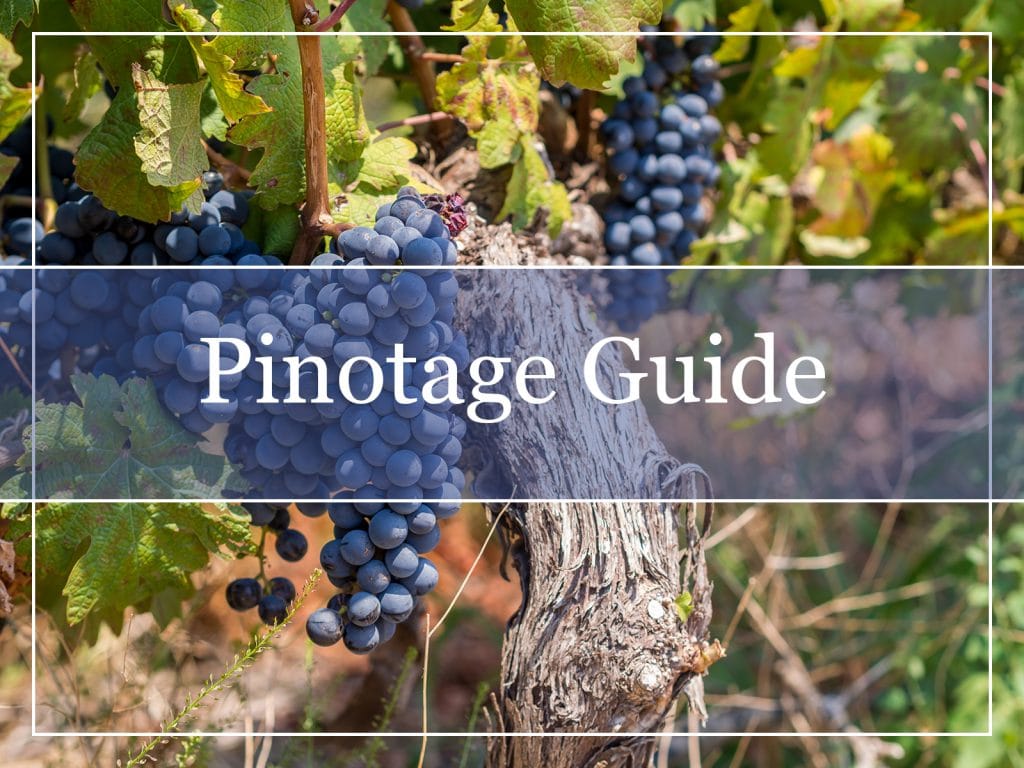
What Is Pinotage?
Pinotage is the star variety of South Africa. In fact, it is synonymous with wine cultivation in the country and one of the most renowned grape varietals in the world. Grown almost exclusively in South Africa, Pinotage is produced in an impressive range of styles from table wines to incredibly concentrated wine examples.
Pinotage is a blending of Pinot Noir and Cinsaut grapes. It was first bred in 1925 by Abraham Perold, the first professor of Viticulture at Stellenbosch University. He wanted to take advantage of the almost Mediterranean climate and create a unique red wine that was extra juicy. However, the seeds that the crossing yielded were planted in Perold’s garden and then forgotten. Thankfully for wine lovers, years later, another researcher discovered the vines and grafted onto them disease-resistant rootstocks. Thus, the first Pinotage plantings for commercial use were born in 1943.
The Pinotage characteristics are defined by a love/hate relationship between this variety of red wine and wine enthusiasts. Some adore the wine, but others cannot even stand smelling it. Carefully crafted Pinotage wines show highly concentrated flavors of red and black fruits, baking spice, chocolate, and coffee. But their distinctive component is that of leather. Pinotage is notoriously famous for having a palate that is flooded with animal aromas. On top of that, it is blended with Shiraz and Cabernet Sauvignon to craft high-quality red wines in Western Cape, and particularly in Stellenbosch.
Pinotage is also planted outside the South Africa, but has not had much success. The grape is grown in the North Island of New Zealand, in Auckland, and Hawke’s Bay. Even though both of these regions produce acclaimed wines, Pinotage examples are not very popular. Additionally, California and Israel have small Pinotage plantings too.
What Color Is Pinotage?
Pinotage is a thick-skinned black grape variety with a characteristic purple-bluish hue. It is a grape from the Vitis vinifera species, which is the standard Eurasian grape variety. In fact, most grapes used in winemaking are family members of the Vitis vinifera. Further, up until véraison and berry ripening, Pinotage grapes are hard and thick to the touch. Véraison period, however, is the onset of the grape ripening.
Moreover, between véraison and harvest, grapes grow and fill with water. During ripening, grape sugar levels rise, and the acid levels drop. Color pigments and flavor components accumulate. Warm and sunny conditions are ideal, while mild water stress inhibits soot growth, encouraging ripening. It is then that the grape’s skin changes color, with Pinotage color turning into blue and velvety purple.
What Does Pinotage Mean?
Pinotage, as a name, is a portmanteau and has two parents. As expected, Pinot derives from Pinot Noir, but the ending was borrowed from Hermitage, the name by which Cinsaut was known during the early 20th century in the South Africa.
Pinot translates to pine cone in French because of the cone-shaped bunches of Pinot Noir grapes. The name Hermitage means the habitation of a hermit or a monastery.
How to Pronounce Pinotage?
The Pinotage pronunciation could be challenging, especially if you are not a native French speaker. Considering how significant a grape crossing Pinotage is in the wine industry, learning to pronounce it correctly is essential if you want to break into wine-tasting circles or wine competitions. With a quick online search, you can find many helpful audio and video examples of how to pronounce the grape.
There are three syllables in the word, with the emphasis falling on the first syllable. Here what it looks like phonetically:
pee-now-taaz
Where Does Pinotage Come From?
Pinotage is by far the most significant grape varietal of South Africa. Grown almost exclusively there, it is used to produce average table wines to complicated and luscious ones. As mentioned above, Pinotage is a crossing of Pinot Noir and Cinsaut, first bred in the 1920s but then only became popular in the 1940s.

During the previous century, South African winemaking conventions favored low-quality Pinotage table wines over high-quality ones. They choose quantity over quality. Due to this, the Pinotage grape made uninspiring wines. As a result, wines made from this high-yielding varietal did not excite consumers, and Pinotage popularity reached low during the 1980s. However, in 1995, the Pinotage Association was founded by a group of wine producers seeking to create high-end Pinotage wines. In this way, the Pinotage fruit regained popularity, producing quality wine examples.
At this point, it is necessary to mention that sometimes Pinotage is blended with international varieties, such as Cabernet Sauvignon and Syrah, to make the renowned Cape Blend.
Pinotage in the Vineyard
In general, Pinotage is a productive, high-yielding varietal, and hardy. However, it is susceptible to viral diseases. Also, Pinotage wine is greatly affected by winemaking and terroir. Some of the best Pinotage fruit is given by bush vines. Bush-training is widely used in Southern France, where Cinsault, Pinotage’s parent, comes from. In addition, Pinotage vines love sunshine, but if the grapes stay on the vine until the end of the season, they develop aromas of acetone and burnt rubber.
What Kind of Wine Is Pinotage?
Pinotage is a full-bodied dry red wine with high tannins. But, it varies in quality. A low-quality Pinotage, for example, has slightly unpleasant aromas (think of intense animal sweat), nail polish, and rubber. That said, all Pinotage wines are perfect for the casual barbecue or in winter when you need something hearty to warm you up. On that note, going on a Pinotage pilgrimage could be one of the best excuses to visit South Africa and the Cape Town Winelands. So, if you need an excuse to go on a South African adventure, now you have it!
Is Pinotage Dry or Sweet?
Pinotage produces dry wines without residual sugar elements. However, the high alcohol levels of the wine may create a false sense of sweetness. In every case, the flavors and the style of a Pinotage depend on the winemaker’s skills and experience.
What Does Pinotage Taste Like?
The Pinotage tasting notes highlight the unique style of the wine, a style that has become increasingly popular with consumers. On the nose, the Pinotage aroma is rich. It is full of leather and barnyard notes, which follow raspberry and strawberry scents. These add a fruity tone to the aromatic bouquet. When fermented and stored with toasted oak staves, Pinotage takes on coffee or chocolate aromas, too.
On the palate, the taste is of black and red fruit flavors. Plum and cherry combine with blackberry and red currant to deliver a fruity drinking experience. Also, sweet tobacco is tasted, as well as flavors of bacon, tar, and smoke. And hints of pepper, licorice, and vanilla spice compose the Pinotage flavor profile, too, especially if the Pinotage wine blended with international varieties.
Furthermore, the tannins are bold, as expected, and they do exhibit a sweet note. Typically, the acidity is medium. The Pinotage grapes show low acidity, so winemakers attempt to acidify their wines during early fermentation stages to integrate as many acids as possible. Finally, the finish feels buttery with lingering black fruit tastes.
The Pinotage Taste Is Sometimes Less Than Perfect
Sometimes Pinotage goes wrong because it is very volatile. If you smell acetone, such as in a nail polish remover, know that the Pinotage is faulty. When wines smell like that, they have high Volatile Acidity (VA) levels caused by a high concentration of acetic acid, also known as bad acid. On top of that, the wine may also taste of burnt tar. This sharp taste happens when the wine becomes over-extracted, the method where the Pinotage spends a long time on the grape seeds and skins.
How to Serve Pinotage?
Pinotage is best served after it has aged for at least five to ten years. That is the only way to truly experience the incredible jamminess and lusciousness of the star grape varietal of South Africa. The black cherry and blackberry flavors are fantastic for any activity or event, whether in the summer or the winter.
The perfect temperature to serve Pinotage is 60-68°F (15-20°C). So, enjoy the wine at room temperature and under no circumstance whatsoever chill it. The reason for this is that if full-bodied red wines become too cold, they taste thin. Whereas, by reaching higher temperatures than recommended, they see their freshness decreasing. Eventually, the flavors become muddled, resulting in an uninspiring wine example.
Pinotage can be poured into standard larger-sized red wine glasses to allow the air to come into contact with the surface of the wine, encouraging the release of additional aromatics and flavors.
How to Age Pinotage?
Pinotage wines benefit immensely from long-term storage. By placing the wine for bottle aging, you help it develop additional, jammy aromas and flavors, such as tobacco, wet leaves, marmalade, dried fruits, farmyard, vegetal, prune, and cooked plum.
Seal Pinotage with a cork and store in an environment with room temperatures that do not fluctuate (50-60°F or 10-15°C) and a portion of humidity. A cellar would be ideal.
Try to keep away direct sunlight or artificial light, as they may cause irreparable damage to the texture of the wine. Intense exposure to light rearranges the chemical compounds found in wine, like oxygen and temperature, and causes wine faults. That means that the wine ages prematurely, and its aromas, flavors, and even color change for the worse. The resulting wine is known as light-struck.
Odors also must be avoided, as they might find their way inside the bottle. If they do, they usually instill unwelcome aromas and flavors, like intense animal sweat or vinegar.
How Long Should Pinotage Breathe?
Full-bodied red wines need to aerate for a bit. A spacious decanter enables Pinotage to stretch its legs and deliver extra red berry aromas and black fruit flavors. Exposure to air has a positive influence on the Pinotage after 30 minutes to an hour. So, keep that in mind. If the wine has intense tannins, though, try and give the Pinotage a couple of hours to breathe before serving.
What Food to Pair With Pinotage?
The Pinotage food pairing can be fun as long as you pair the wine with grilled or roasted meats and vegetables. Try to top them with savory sauces like barbecue, teriyaki, or cranberry sauce. Stews are also a good idea. For instance, South African oxtail stew is a traditional food pairing option when serving Pinotage at dinner. Similarly, braised eggplant with garlic and basil makes a fantastic combination with the wine, too.
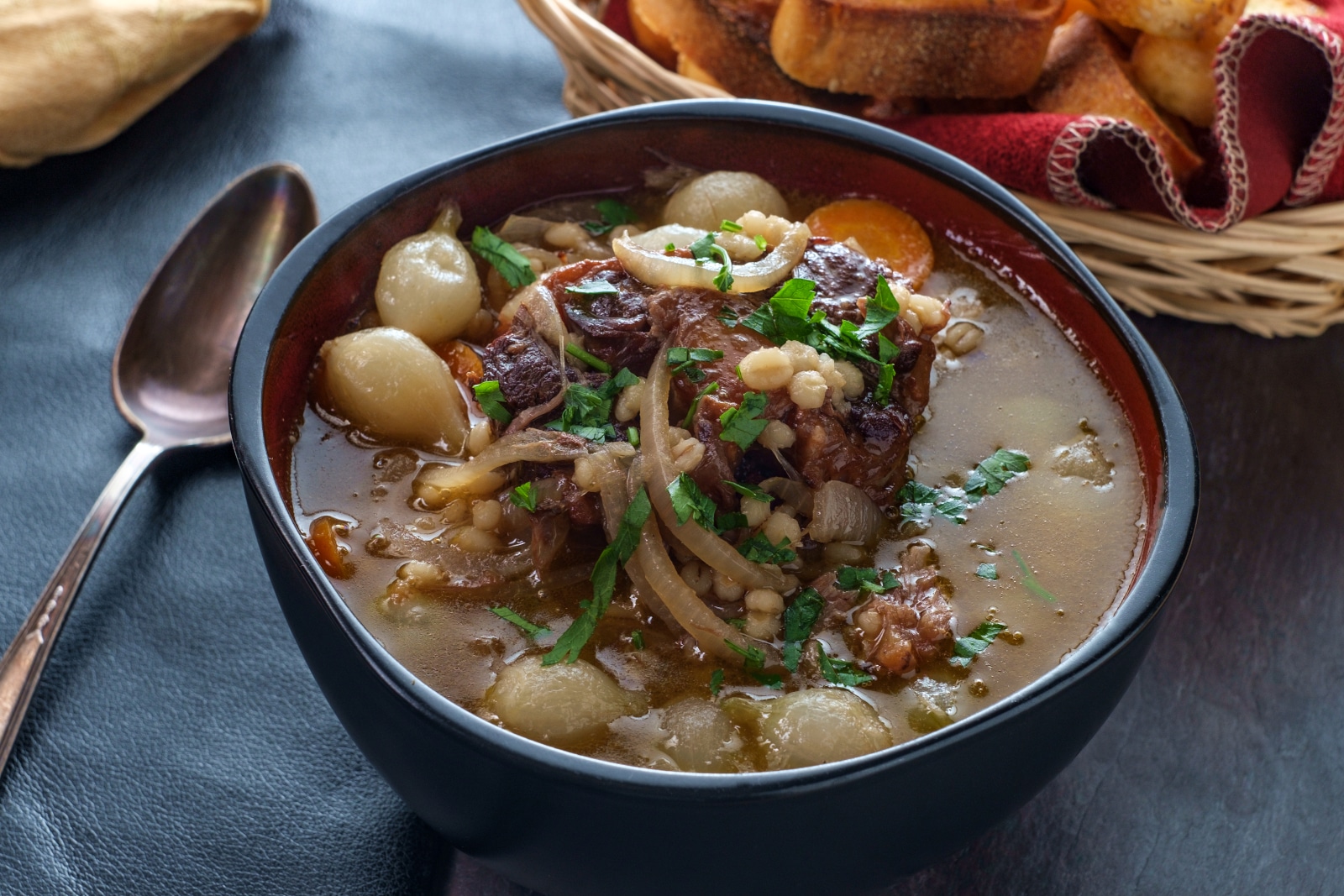
Moreover, slow-cooked beef, lamb, or sausages bring out the sweet and spicy notes of Pinotage. Game meat, such as venison, is another good companion as it pairs well with the savory touches of the wine. If your Pinotage is lightweight, make sure to have it alongside hearty spices. South African’s traditional braai (barbeque) spice rub (cumin, paprika, coriander, garlic, salt, and black pepper) is the recommended spice when Pinotage is the beverage. For an exotic vibe, hot Indian curry complements Pinotage perfectly, so be sure to try it.
And feel free to drink the lighter Pinotage styles with country pâtés, charcuterie, or a hearty “Potjie”, an everything-in-one pot South African wintry stew.
Pinotage Cheese Pairing
This red wine always works well with semi-hard and firm cheeses from sheep’s or cow’s milk. Enjoy it with Gruyére, cheddar, Gouda, or Munester. These could be served as a cheese board or be part of dishes such as pasta or a spicy pepperoni pizza. Swiss, Grana Padano, Emmental, Parmesan, or Cotija are great cheese choices, too.
How Much Alcohol Does Pinotage have?
The Pinotage alcohol content is in the range of 12.5 to 14% ABV. That is the usual alcoholic concentration of full-bodied red wines. That said, please check the label on the bottle to be more precise and always remember to enjoy wine responsibly, avoiding excessive and needless consumption.
How Many Calories Are There in Pinotage?
As a general rule, bear in mind that alcohol has calories! Alcohol and residual sugar are the two main driving factors that increase calories in wines. The carbs in Pinotage range from 1 to 6 per glass, while the calories are 121 to 128 per serving. As a consequence, Pinotage wines tend to be a bit high in calories. Consumers on a diet may have to consider that, therefore, before purchasing a Pinotage wine.
Conclusion
Pinotage is one of the major grape varietals and has an intricate history. It is a fantastic grape that can be shaped according to a winemaker’s will, giving from light-bodied, casual wines to full-bodied concentrated ones. Pinotage’s distinctive leather flavor might not be for everyone, but it is its distinctive characteristic. Fruit-driven, earthy, and spicy, Pinotage is mouthwatering if you give it a chance. All you have to do is uncork it at a barbecue and let the notes of oak, tobacco, and licorice captivate you.