What Is Roussanne?
Roussanne is a soft-skinned white grape variety from France. Most of the Roussanne plantings are in France, particularly in the Northern Rhône Valley.
Together with Marsanne, its blending partner, Roussanne plays a significant role in Northern Rhône wine blends, some of which are considered the best white wine expressions in the world. For example, Saint-Joseph, Hermitage, and Crozes-Hermitage are synonymous with high-quality wine and prestige. Rousanne can also be found in sparkling wines, namely those of Saint-Peray. Rousanne is also used in small quantities in the South Rhône in the Châteauneuf-du-Pape blend. It is one of the thirteen permitted grape varieties used in both white and red wines.
In addition, Roussanne grows in Italy and is used in the making of Montecarlo Blanco. It is rare to find it outside Tuscany.
The Roussanne characteristics are fruity and sweet, with herbal, almost tea-like aromas. In the mouth, Roussanne exhibits flavors of green fruits, like pear and apple, as well as honey. On top of that, the acidity is high if the grape is harvested under-ripe. But, if left for too long on the vine, the alcohol levels become exceedingly high. When paired with Marsanne as part of a well-crafted blend, Roussanne adds aromatic intensity, complementing Marsanne’s rich personality and structured body.
What Color Is Roussanne?
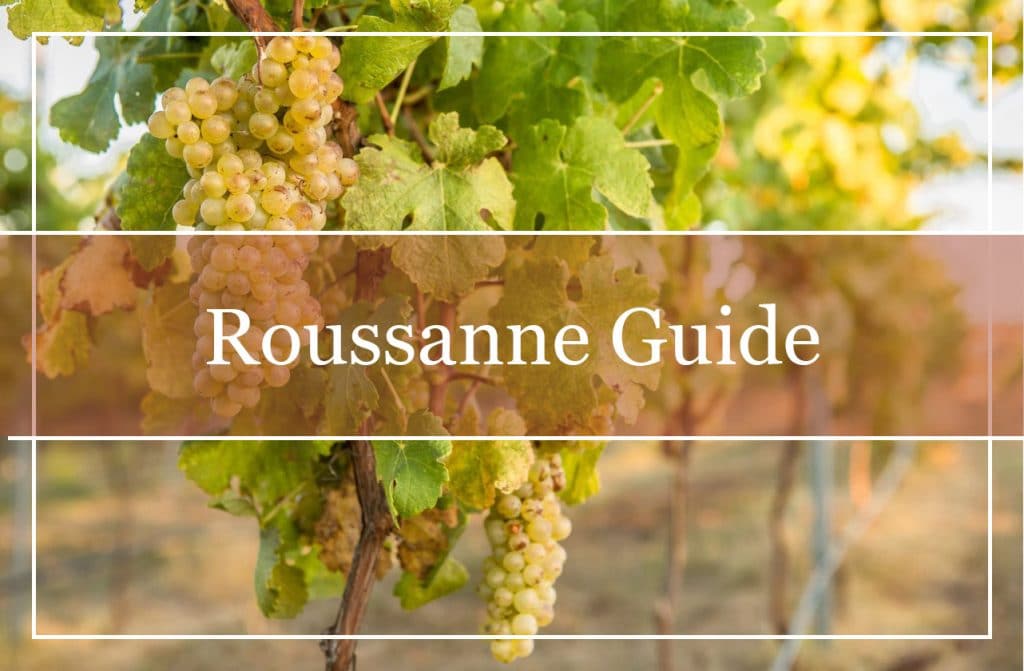
Roussanne produces small bunches of thick-skinned fruit with a reddish-gold hue. Roussanne is a grape from the Vitis vinifera variety of the Eurasian grape species. Nearly every grape used in wine production, except for some hybrids, are family members of the Vitis vinifera.
Up until véraison and berry ripening, Roussanne grapes are hard and thick to the touch. Véraison period, however, signals the point at which the grapes begin to ripen. At this point, the grape’s skin changes color, turning crystalline and golden, while developing a red pigmentation.
Between véraison and harvest, grapes swell and fill with water. During ripening, sugar levels rise, and acid levels drop. Color pigments and flavor components accumulate. Warm and sunny conditions are ideal, while mild water stress inhibits soot growth, encouraging grape ripening. It is then that the Roussanne color shows an extra assortment of tones. Bright green turns into yellow-gold, while the red hues transform into orange. If that color transformation is not compelling, then what is?
What Does Roussanne Mean?
Roussanne’s skin, when ripe, turns into a reddish-gold tone. The color pigment is associated with the word roux, which in French means reddish-brown or russet.
How to Pronounce Roussanne?
The Roussanne pronunciation is not hard even for non-native French speakers. As always, knowing how to pronounce a grape varietal correctly is significant when wishing to enter wine-tasting circles or participate in wine competitions, where you have to demonstrate your in-depth wine knowledge. You can find many helpful audio and video examples on how to pronounce Roussanne online. There are only two syllables in the word, and the emphasis falls on the first syllable. Here what it looks like phonetically:
roo-sahn
Where Does Roussanne Come From?
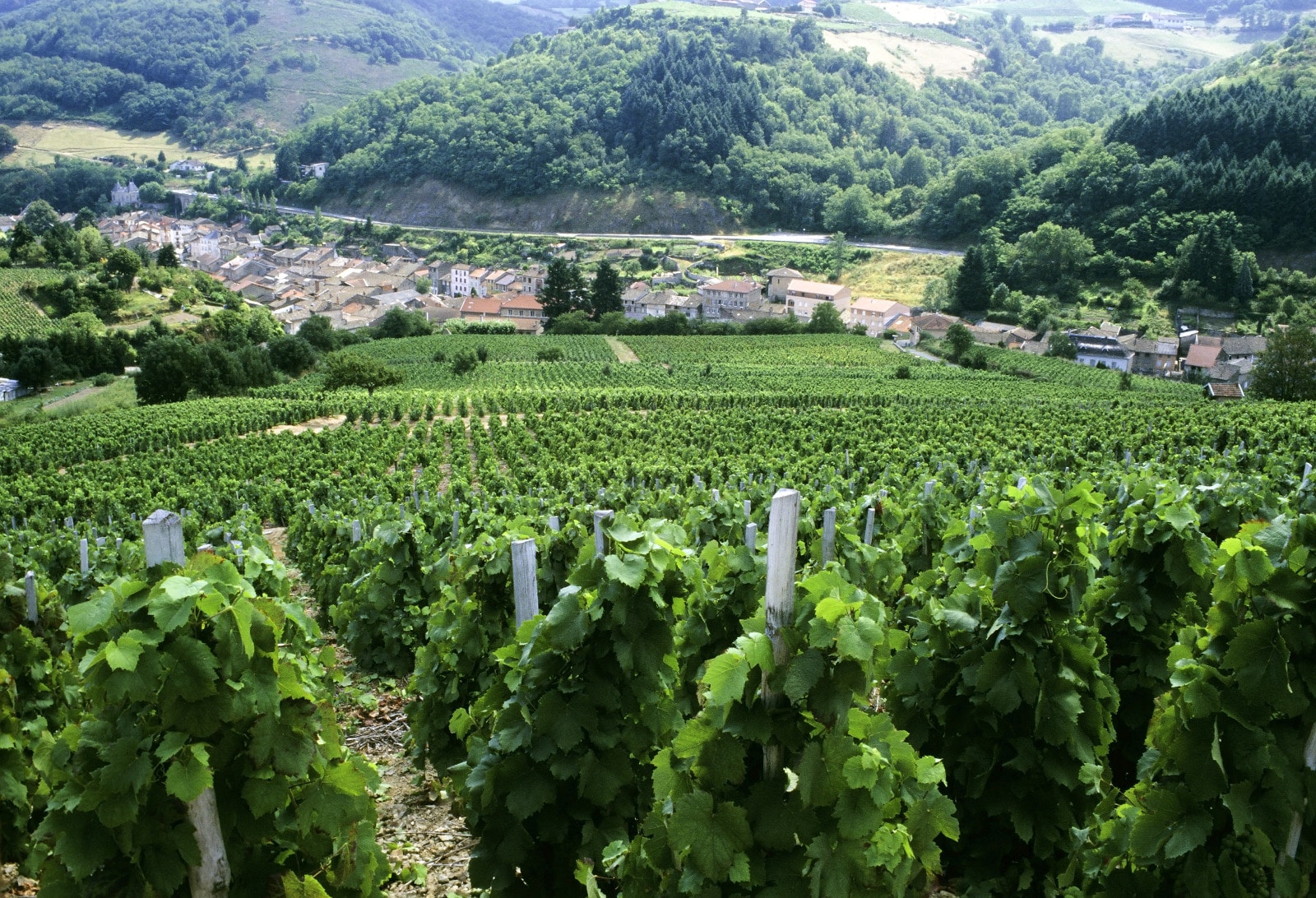
Roussanne originated in the Northern part of the Rhône Valley. Today, it is considered one of the most important grape varieties of the region.
The grape, therefore, is commonly planted in Southern France, as it thrives in warm temperatures and intense sunshine. In this way, it ripens fully, increasing its flavor concentration. That said, in cool climates, Roussanne struggles and is challenging to grow. Additionally, it is susceptible to powdery mildew, wind damage, and rot.
In the winery, however, Roussanne is forgiving. It can be blended and shaped into prestigious, complex, and structured wines.
When blended with Marsanne, Roussanne offers acidity and a fruit characteristic, whereas Marsanne has richness and weight. These varieties may not have the aromatic intensity of Viognier (also used in Châteauneuf-du-Pape blends), but they can age well and develop complex hazelnut aromas.
Roussanne also has a history in California worth examining. Until 1998, some wines were thought to be made of Roussanne. However, it turned out that they were crafted with Viognier. It seems that the intention was not to mislead consumers but the confusion was caused by Rhône Valley cuttings. DNA testing revealed that Viognier was the principal grape used in the California wines, but that also indicated how similar Roussanne and Viognier are. Both are creamy, almost oily, with crisp, citrus fruit aromas and flavors and notes from spices and apricots.
In addition, 100% Roussanne plantings are found in Santa Barbara and San Luis Obispo Counties. Finally, a single-varietal Roussanne is produced in Tuscany and rarely in Australia.
What Kind of Wine Is Roussanne?
Roussanne is considered a noble grape variety and produces top-quality wine. Typically, Roussanne wines are round, smooth, and highly aromatic. They might also be barrel-aged, depending on the winemaker. Sip Roussanne at a friendly gathering, on a river cruise, or at a picnic at Le Parc des berges du Rhône in Lyon. Serve it chilled for added crispiness and you will be considered a top-quality host!
Is Roussanne Dry or Sweet?
Roussanne is a grape variety hard to attempt to pin down to a specific profile. It may produce dry white wines as a single varietal, but it is used in both white and red blends, too. That makes Roussanne complicated with a complex flavor profile and personality.
Moreover, Roussanne’s flavors depend on the winemaker’s skill, passion, energy, and experience. Considering that the grape is a blending component of the Rhône Valley blends, it is safe to assume that it is always in safe and experienced hands.
What Does Roussanne Taste Like?
The Roussanne tasting notes are complex. They are intriguing and characterized by green fruit, citrus, and apricot notes. The Roussanne aroma is delightfully sweet, as gentle hints of Meyer lemon blend with grapefruit and chamomile to deliver an elegant nose. On top of that, hints of beeswax and honeysuckle are present on the nose, too.
Now, on the palate, the Roussanne taste is filled with flavors of pear, peach, nectarine, and a touch of brioche bread. Honey and cream combine with butterscotch and chocolate overtones to complete the Roussanne flavor profile. The high acidity is refreshing and invigorates, while the finish is lengthy, oily, and structured. Consequently, single-varietal Roussanne wines are unique and distinctive.
How to Serve Roussanne?
Roussanne is best served in standard white wine glasses or aroma collector glasses. The latter, however, are expensive and, therefore, are not for consumers on a budget. That is something to bear in mind. That said, by serving Roussanne in aroma collector glasses, the surface of the wine comes into immediate contact with the air, which, in turn, encourages the intense release of additional aromatics and flavors.
Roussanne should always be served chilled. The ideal temperature to serve Roussanne is 45-55°F (7-12°C), cold but not super cold! The flavors seem more dynamic, refreshing, and energetic. In other words, it will not taste thin or dull but lively. Further, I would suggest keeping a couple of bottles in the fridge, so when guests arrive, you can serve them without delay. Decanting is not necessary and not recommended. It will not make the wine more elegant or delicate.
Try and maintain Roussanne fresh during service by using a wine cooler or an ice bucket. Fill the bucket up to three-quarters with equal quantities of ice and water so that iced water surrounds the bottle. The water can transfer the heat from the bottle to melt the ice. Air acts as an insulator, and the bottle chills. Do not over-chill the wine, though, as over-chilling might turn the wine uninspiring.
Aging Potential
As a noble grape variety, Roussanne is incredibly friendly to long-term storage and bottle maturation. It can bottle age up to ten years or more. That is extraordinary, as very few white wines can withstand such an extensive bottle maturation (botrytized Rieslings, Tokaji Aszú, or barrel-fermented Chardonnays).
To mature the wine, seal it with a cork and store it in an environment with room temperatures that do not fluctuate (50-60°F or 10-13°C) and a portion of humidity. A cellar would be the perfect environment to store wine bottles, for example.
Direct sunlight or artificial light should be kept at bay, as they may cause irreversible damage. Intense exposure to light rearranges the chemical compounds found in wine, like oxygen and temperature, and causes wine faults. That means that the wine ages prematurely, and its aromas, flavors, and even color change for the worse. The resulting wine is known as light-struck.
Odors must be avoided, too. They might find their way inside the bottle and instill unwelcome aromas and flavors, like intense animal sweat or vinegar. However, do not let the wine mature over five years. It will become too sweet and develop uncomfortable animal sweat and acidic flavors.
How Long Should Roussanne Breathe?
Roussanne might be a medium-to-full-bodied white wine, but it is not designed for decanting. Additional aeration will not benefit it. However, if the Roussanne wine has aged from seven to ten years, decanting it could be worthwhile to allow the mellow, honeyed flavors to subside and mix, turning into elegant nectar.
What Food to Pair with Roussanne?
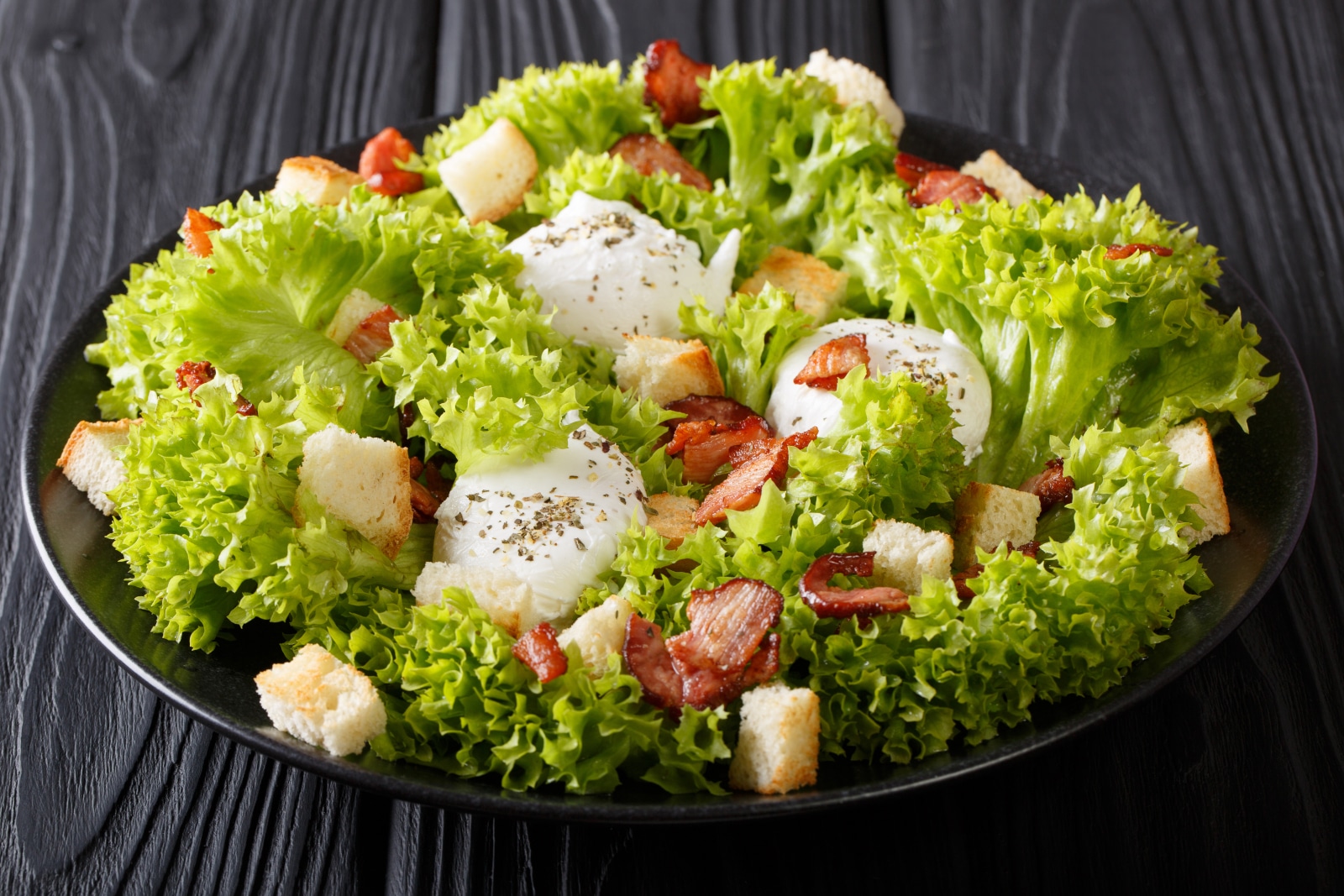
Roussanne food pairing is straightforward. The wine pairs well with seafood and mountain cheeses. So, crab omelet, white fish terrine served with roe and dried dill, or bacon salad, such as a Salade Lyonnaise, make superb companions to Roussanne. A modest poached egg could also accompany the wine nicely if you fancy and serve Roussanne with a brunch.
Roussanne Cheese Pairing
Roussanne tastes incredible with nearly every cheese available, but I would suggest pairing it with cheese made from cow’s milk. Try the wine with Comte, Gruyere, Swiss, Edam, Fontina, and Brie. The cheese can be served on a cheeseboard, used in pies, or shredded and added to pasta or salads. Roussanne is savory when paired with Romanian Caș, Mascarpone, and Danish Blue Cheese.
How Much Alcohol Does Roussanne Have?
The Roussanne alcohol content is in the range of 12.5 to 15% ABV. That is a very high alcohol concentration typically found in full-bodied red wines but rarely in white wine examples. In every case, check the label on the bottle to be more precise and avoid excessive drinking. Enjoy the wine responsibly.
How Many Calories Are There in Roussanne?
Keep in mind that alcohol has calories. So, the higher the alcohol in a beverage, the higher the calories will be. Such is the case with Roussanne. The wine is not a very suitable dietary choice calorie-wise. The carbs in Roussanne are in the range of 1-4 per glass, and the calories are 121 to 128 per serving. Therefore, consumers on a diet would need to be careful with how much Roussanne they consume. They would not want to drive a dietician crazy!
Conclusion
Roussanne is a rare and high-quality white wine. Even though it is blended with Marsanne to create the renowned Rhone Valley blends, Roussanne gives equally amazing single-varietal examples. With intense floral fragrances, a medium-to-full body packed with citrus, apricot, and apple notes, and a refreshing, invigorating acidity, Roussanne is compelling, rich, and palatable. Tasting it is a privilege, a memorable experience. Therefore, wine enthusiasts owe it to themselves to try the wine at least once.