What Is Syrah?
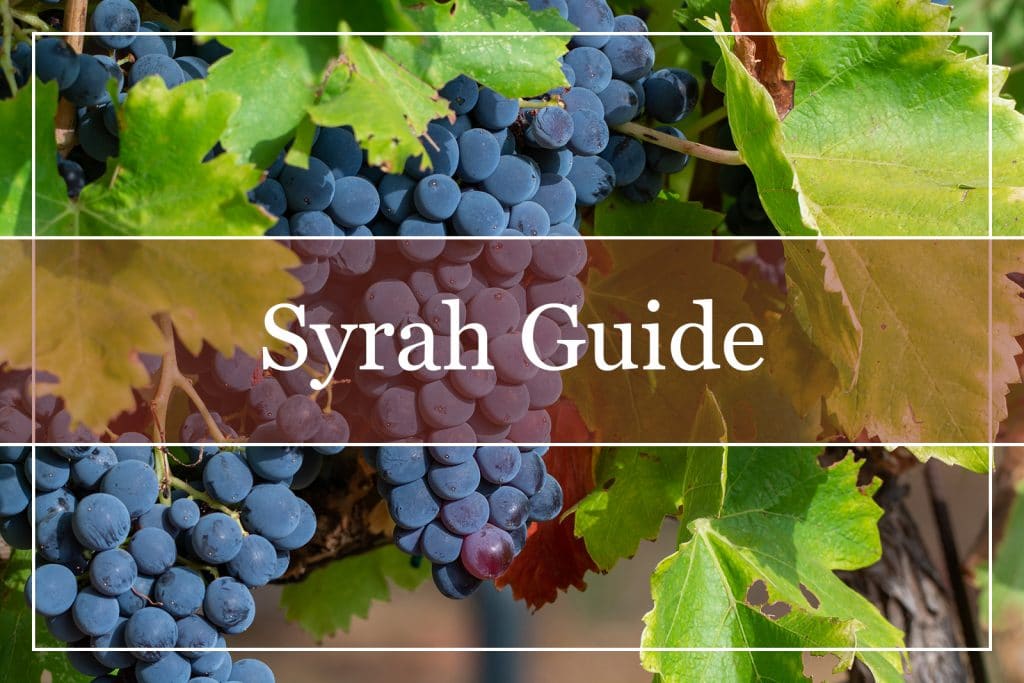
Boldness and spiciness are the main Syrah characteristics. This full-bodied red wine is chock full of the most delicious aromatic aromas of ripe fruit, smoke, and black pepper, to name a few. There are slight variations on the intensity and texture depending on where the grapes have grown and the wine produced, but on the whole, you can expect a mouth full of flavor. Syrah is called Shiraz in some New World countries, but you will essentially still be getting the same red wine variety.
What Color Is Syrah?
One of the first things that demand your attention is the Syrah color. Made from red-skinned grapes, this wine is characterized by its deep red or even purple appearance. The color deepens with age so you can expect a youngish vintage to be more opaque than one that has been in the cellar for several years. Unbelievably, Syrah wine is an even darker red than Cabernet Sauvignon!
What Does Syrah Mean?
Apparently, the name, Syrah, is French in origin. Shiraz and Syrah are interchangeable and the name relates to the hearty red wine that came from the Rhone Valley, France, and has not spread as far as Australia and other places around the globe.
How to Pronounce Syrah?
The correct Syrah pronunciation is:
/ˈsiːrə/
Wine snobs will not forgive you for pronouncing the name incorrectly, so make the effort to practice the correct way to say it. There are many helpful videos online to support your learning of the correct way to say the name of this red wine. Soon you will be talking about it and ordering this delicious red wine from the menu with confidence.
Where Does Syrah Come From?
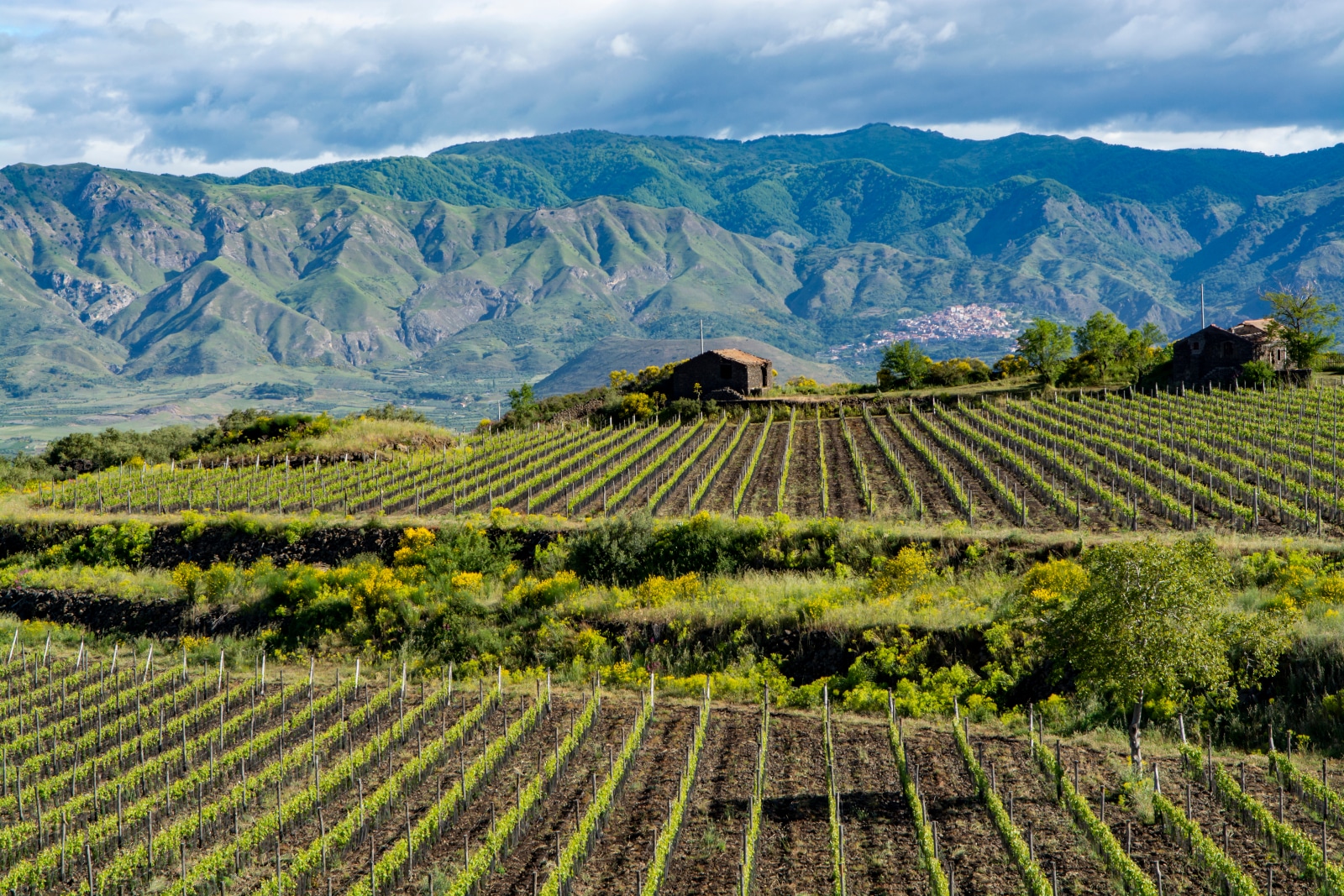
It is widely accepted that Syrah was originally a French grape variety. Today, Syrah is an admired red wine and the grapes grow well in many different places and climates. While the basic delicious characteristics remain the same, Syrah will reflect the terroir and climatic zone in which it has been produced.
Persian Origins?
Many legends abound about the true origins of Syrah and some claim links to wine that was produced in the times of the Persian Empire. Some believe that Shirazi wine was taken to France many centuries ago by the Phoenicians, but it is very difficult to find documented evidence of this. Another myth is that the grape was brought from Syracuse by Roman soldiers, and the link with the name Syrah may mean that there is some truth to the story, but once again it cannot be verified.
What Kind of Wine Is Syrah?
Syrah is an aromatic, red wine that is characteristically full of bold fruity flavors and bold tannins. It can present itself in a variety of styles according to where it has been produced and is made to appeal to the palates of particular regions. For this reason, you can be assured of finding a Syrah/Shiraz that is to your taste.
Is Syrah Dry or Sweet?
Syrah is classically made in the dry style. An Australian Shiraz may have a hint of residual sugar, but any hints of sweetness more likely to come from the strong, ripe fruit flavors of the wine. A dry Syrah is produced by converting almost all the sugar into alcohol, and even if there is a little residual sugar, it is still officially a dry wine.
What Does Syrah Taste Like?
Syrah Tasting Notes
This red wine makes a bold entrance on the palate. While still holding the image of its deep purple appearance in the glass in your mind, you will have a hint at what is in store for your palate. However, it is almost impossible to anticipate the wave of bold spices and fruitiness that you encounter with your first sip. Following the initial impact, Syrah’s flavor softens on the finish.
You can expect the Syrah aroma to be full of the smells of blue and black summer fruits, as well as dashes of sweet violets.
Unforgettable Flavor
The Syrah flavor profile is complex and rich. Besides that inevitable dark fruit flavors, this red wine has the earthy flavors of stone, gravel, and limestone as well as leather, smoke, and licorice. It can also have the bitter hints of cocoa and mocha. The soft finish has a peppery note that leaves you wanting more. It is certainly an interesting, perfectly delicious combination of flavors that makes this a very popular red wine, and the Syrah taste is not quickly forgotten.
How To Serve Syrah?
It is important to remember that there is an ideal temperature to serve Syrah. Red wines like Syrah/Shiraz tend to have higher alcohol levels that can taste too hot, and overpower the flavors. That is why they should always be lightly chilled before serving. The perfect serving temperature of this wine is between 60–65°F (about 15 degrees Celsius) and you will be delighted with the opulent mouthfeel and perfectly balanced acidity. This temperature is easily reached by placing the wine bottle in the fridge for about fifteen minutes before opening. Do not let the wine become too cold or that will considerably reduce its wonderful flavors.
What If I Don’t Finish the Bottle? (Ha, Ha)
Syrah will last for a couple of days in the fridge providing it has been recorked, but oxidization will occur after about four days and then the wine will only be fit for making sauces and in stews.
How Long Should Syrah Breathe?
It is advisable to allow a full-bodied wine like Syrah to have about half an hour of breathing time before serving. Just the right amount of aeration allows the flavors to blossom and please the palate. It is not always necessary to decant the wine, but it will give you a chance to admire the beautiful purple color before pouring it into your glass.
The Best Style of Wine Glass to Serve Syrah In?
Bold red wines, like Syrah need to be served in glasses with a wide bowl. This ensures a large surface area for the flavors to rise from and give you the chance to appreciate the nose.
What Food to Pair With Syrah?
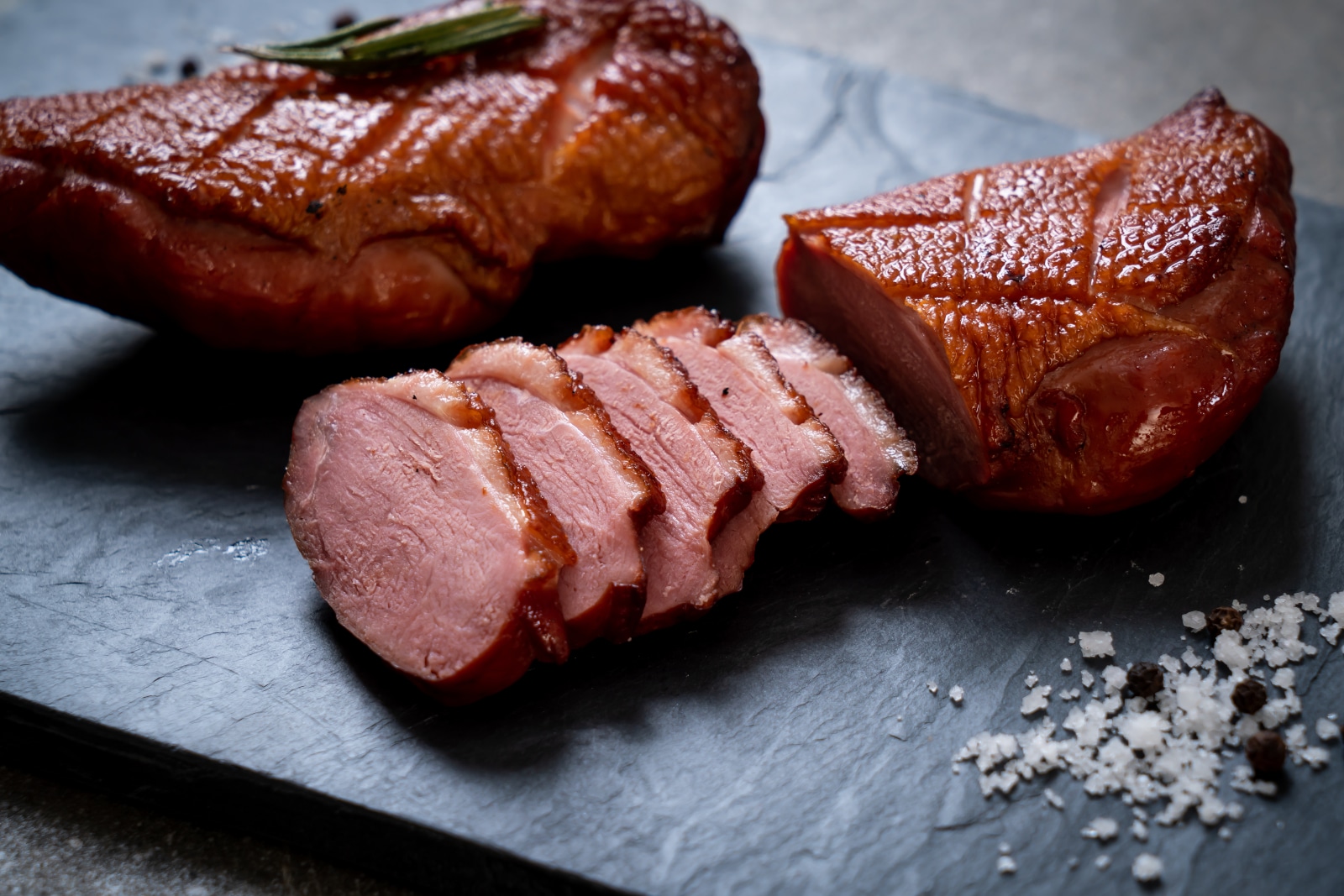
It is worth noting where your Syrah has been produced because that could affect the Syrah food pairing. Cool climate Syrah is well-matched with the gamey flavors of duck, mushrooms, truffles, and red meat. It is perfect when served with hearty winter stews, Italian pasta dishes, and freshly baked bread.
A warm-weather Shiraz on the other hand may pair better with barbequed or grilled meats such as pork, chunky steaks, or hamburgers. Because of its friendlier flavor profile, it is ideal for casual events and meals.
Avoid Pairing Syrah With Bland Food
There is no point in serving Syrah/Shiraz with bland dishes and insipid lightweight meals. It will completely overwhelm the food. Try to pair this wine with food that equally strong flavors such as well-seasoned meat that is juicy and savory. This will stand up to the aromatic spiciness of the wine and the food and wine will complement each other.
Here are some other meal suggestions that work well with this powerful red wine:
Spicy, meat-based pizza
Garlic-infused vegetables like potatoes, zucchini, and aubergine
Venison and dark meat poultry
Syrah Cheese Pairing
Go for cheeses that have intense flavors to match with your hearty Syrah. Anything that has a smoky or nutty flavor will be great, as will smoky blue cheese. Firm cheese that is quite salty, like a mature Cheddar with tyrosine crystals will be a dream come true with this red wine. Any of the following cheeses or cheese dishes will complement the flavors of Syrah:
Goat’s Cheese, Smoked Gouda, Gran Padano, Fiore Sardo, Pecorino, Azores Flores or Manchego.
How Much Alcohol Does Syrah Have?
The origin will have a distinct effect on the Syrah alcohol content. Syrah from cooler regions will have slightly lower alcohol levels compared to those from warm, dry countries. French or other cool region Syrah’s usually have 13–14% alcohol by volume (abv).
Keep an Eye on the Alcohol Levels!
Warm weather varieties have elevated levels of about 14.5–15.5%. It is not unusual for an Australian Shiraz, which has spent a long time ripening on the vine, to have an even higher alcohol level.
How Many Calories Are There in Syrah?
Syrah is a dry red wine which means that it has lower residual sugar. This means that almost all of the sugar from the grapes has been converted into alcohol, but it does not mean that it has low calories because alcohol has calories. A five-ounce serving of Syrah equates to about 125 calories (an average 750 ml bottle will have in the region of 625 calories). Warm weather Shiraz may have more residual sugars resulting in a slightly higher calorie and carbohydrate content. You can expect between zero and four carbs in Syrah per serving.
Conclusion
With so many things to commend this wine, it is definitely one to try even if you are not a fan of red wine. Recognized as a truly international variety, it comes in many delicious guises, so all you have to do is sample a few until you find the one Syrah that suits your palate.
A Vine With a View
Syrah/Shiraz is known as a wine that “likes a view” because the vines grow best on dry elevated soil where the juice becomes concentrated and intense, and I can vouch for the fact that this wine tastes delicious when consumed from a lofty mountain top in warm spring sunshine or après ski.
As if all the delicious flavor and aroma notes are not enough, Syrah is packed full of antioxidants and has become famous as one of the healthiest wines around. Why not appreciate all the health benefits that are available from this wonderful red wine? It is known to lower the blood pressure and bring stress relief. Those are just a couple of the health-boosting aspects you can have by enjoying a tantalizing glass of Syrah? I think it would be considered rude not to!