What Is Tempranillo?
Tempranillo is Spain’s top red grape variety. It is grown in the Rioja, the Ribera Del Duero, and the La Mancha regions of Central and North Spain. Often, however, it is referred to by one of its numerous synonyms: Tinto Fino, Tino de Pais, Tinto de Toro, Ull de Liebre, Cencibel, and Ojo de Liebre.
Outside Spain, Tempranillo is the structural backbone of some of the finest Portuguese wines, while it also enjoys success in the New World, particularly in Argentina, Australia, and California.
It is a thick-skinned grape varietal with medium acidity levels. So, while it needs sufficient warmth to develop its flavors, hot climates without a high diurnal temperature range could cause Tempranillo to lose the acidity required for a perfect balance. Consequently, it grows best in areas with summer temperatures moderated by sea breezes and high altitudes.
Fermented on its own, often using semi-carbonic maceration, it can produce a fresh strawberry-scented Joven (translating into young, unoaked) wine, an increasingly popular wine drinking style.
Traditional Blend
Tempranillo is also a traditional blending partner and plays a pivotal role in more concentrated age-worthy oaked bends either with Garnacha (Grenache), Graciano, and Cariñena/Mazuelo or international varieties such as Cabernet Sauvignon. Nearly every red Rioja or Ribera Del Duero, has Tempranillo as a blending component.
In Portugal, the grape is used in the Douro Valley, giving high-quality Port and unfortified wines. There, Tempranillo is known as Tinta Roriz.
Tempranillo characteristics show intense oakiness. Tempranillo and American oak go hand-in-hand, as Tempranillo’s strawberry and cherry flavor profile combine perfectly with the coconut and vanilla spice notes of new American oak barrels in Rioja. However, in Ribera Del Duero, winemakers traditionally prefer to use French or second-hand oak barrels, enabling Tempranillo’s fruity character to integrate with spiced charred wood flavors.
On top of that, Tempranillo does not have high acidity, so you might find some overblown Tempranillo table wines from the La Mancha plains, indicating grapes grown in a flat and extra hot environment. But, due to this lack of acidity, Tempranillo thrives in regions with a high diurnal temperature range, where the intense day heat increases the development of color pigments and sugar concentration. The cool evenings refresh the vines from heat, preserving acidity.
What Color Is Tempranillo?
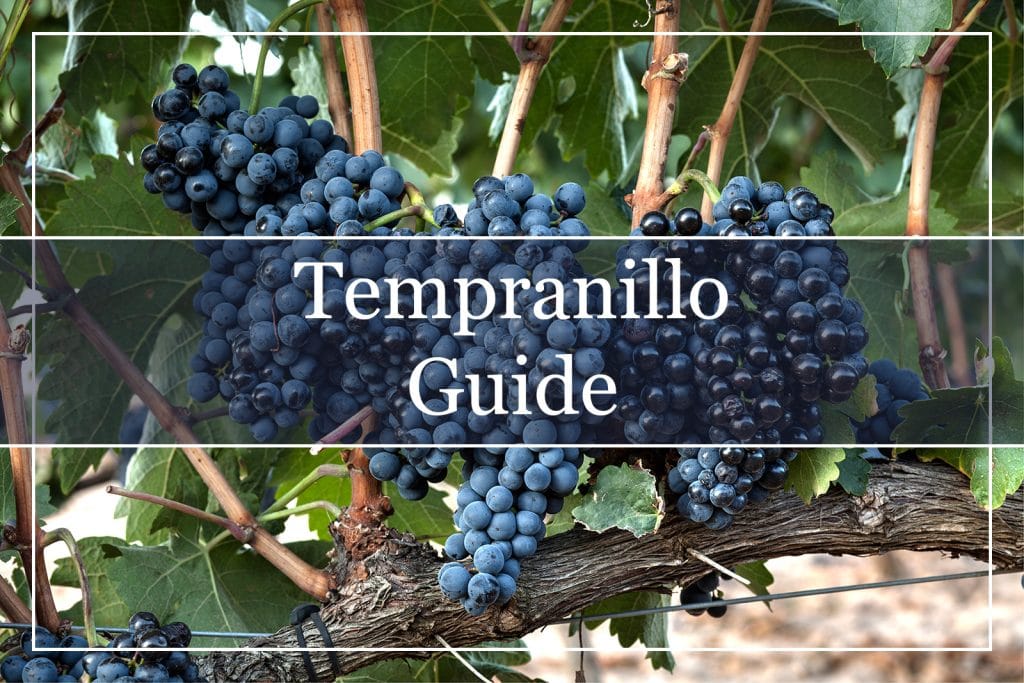
In the vineyard, the Tempranillo vine produces large bunches of thick-skinned fruit that show a blue-purple tone. Tempranillo is a grape from the Vitis vinifera variety of the Eurasian grape species. In fact, most grapes used in wine production are family members of the Vitis vinifera. Until véraison and berry ripening, Tempranillo grapes are hard and thick to the touch. Véraison period, though, signals the point at which the grapes begin to ripen. At this point, the grape’s skin changes color, with the fruit color becoming first red and, then, deep purple.
Between véraison and harvest, grapes swell and fill with water. During ripening, sugar levels rise, and acid levels drop. Color pigments and flavor components accumulate. Warm and sunny conditions are ideal, while mild water stress inhibits soot growth, encouraging grape ripening. At this point, the Tempranillo color exhibits a seductive variety of hues ranging from black to intense blue-purplish, giving it a beautiful appearance.
What Does Tempranillo Mean?
Tempranillo translates into little early one. The name is a diminutive of the Spanish word Temprano (early), a reference to the fact that Tempranillo ripens earlier than most Spanish red grapes, and especially Garnacha, its popular blending partner.
How to Pronounce Tempranillo?
The Tempranillo pronunciation could be slightly challenging if you are not familiar with the Spanish language. It is very important to pronounce the name of this wine correctly in wine-tasting circles, as Tempranillo is considered one of the key grape varieties in the world. You can find many helpful audio and video examples of how to pronounce Tempranillo online. Therefore, a simple Web search suffices to find an online video on how to pronounce popular grape varietals.
There are four syllables in the word, and the emphasis falls on the third syllable. Here is what it looks like phonetically:
tem-pra-ni-luh
Where Does Tempranillo Come From?
Tempranillo seems to have originated in Spain and specifically in Rioja and Navarra. But, the lack of clonal diversity amongst the several locations where Tempranillo is planted, shows that the grape has only grown in Spain and the Iberian Peninsula. There are suggestions of a conflict between wineries outside Tempranillo’s heartland to favor longer-established but overlooked local varietals.
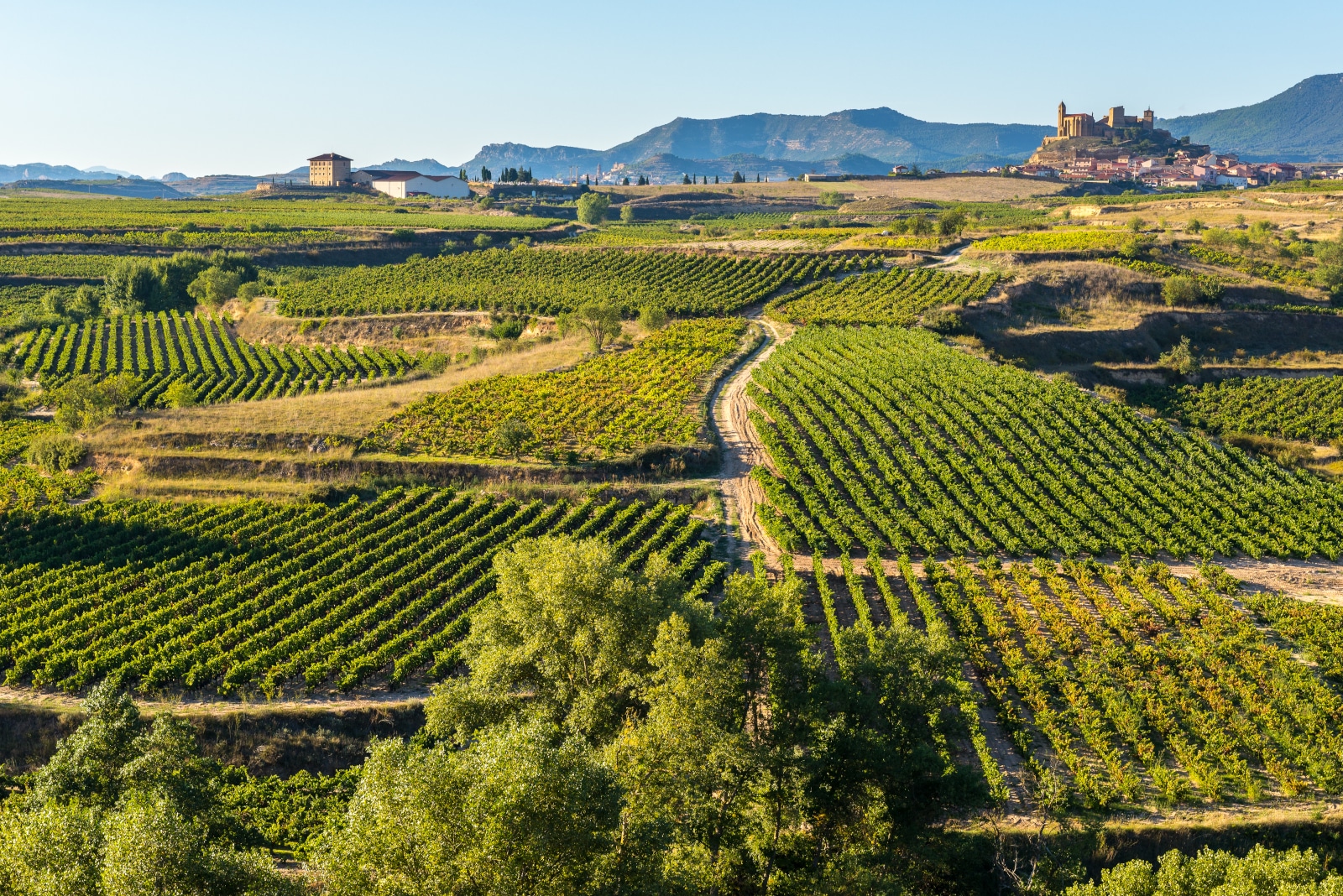
As mentioned above, Tempranillo is also widely cultivated in Portugal. It is founded in the Douro, the oldest wine region in the world. There, wine production is dominated by Port, but unfortified wine examples are common too.
Outside the Old World, Tempranillo can be found in the United States, Argentina, and Australia. The most significant plantings of Tempranillo out of these three countries, however, are in Argentina. There, the grape was first introduced in the 19th century, and since then, it has expanded enormously. It flourishes in the desert-like environment of Mendoza, and specifically in Uco Valley, where the high diurnal range recreates grape growing conditions similar to those found in Rioja, Spain.
What Kind of Wine Is Tempranillo?
Tempranillo is the main component of well-rounded, occasionally barrel-aged red blends, perfect for barbeques and warm-weather occasions. Tempranillo gives red fruit flavors and a medium level of tannins to the blends, while it benefits from the body and alcohol that comes from the addition of Garnacha. Mazuelo and Graciano, also blending partners, provide a supporting role in said blends, adding uplifting red fruit aromas. Consequently, Tempranillo wine is bold and dynamic when served at room temperature. This is a very enjoyable drinking experience.
Is Tempranillo Dry or Sweet?
Tempranillo is a bone-dry wine, like most red wines, without indication of residual sugar, as none is left after the fermentation process is over. And because of that, it is ideal for pairings with savory foods.
What Does Tempranillo Taste Like?
The Tempranillo flavor profile, for the most part, is subtle and delicate. But if it is oak-aged, the Tempranillo taste is bold and powerful. However, whether young or developed, Tempranillo-based wines show a wealth of red fruit notes on the nose. Fragrances of strawberry and cherry combine with blackcurrant and prune to define the Tempranillo aroma.
In the mouth, Tempranillo exhibits a wealth of raspberry, plum, and chocolate flavors that blend with hints of herbs and ripe, juicy tomato. Touches of tobacco, charred wood, and vanilla spice might also be tasted while sipping Tempranillo. Clove and nutmeg are present on the palate, too, as they add a bit of complexity and flavor depth. As for the tannins, Tempranillo is not a tannic wine. They are usually grippy and unobtrusive, but if the winemaker does not pay extra care to smoothen them during fermentation, the tannins might end up green and unpleasant.
The finish is described as lengthy and refined, while the medium acidity offers a puckering sensation as you drink it. It makes flavors feel sharper and more alive and brings balance to Tempranillo blends. Consequently, the Tempranillo tasting notes highlight the wine’s elegant texture, medium acidity, and long, savory finish.
How to Serve Tempranillo?
The best Tempranillo wines are best served after they have aged for a decade. After such extensive maturation, the wine will be tender, mellow, and jammy. Flavors of fig, cooked red plum, dried cranberry, game, earth, tobacco, and mushroom will have developed, among others, and combine with the primary strawberry and cherry notes. In this way, Tempranillo offers an immersive and luscious wine-drinking experience.
Tempranillo should always be served at room temperature. The perfect temperature to serve Tempranillo is 60-68°F (15-20°C). The flavors will be enhanced, and the wine will attain a velvety texture. Decanting is the way to go, too. Then, pour into elegant red-wine glasses and serve your guests.
How to Age Tempranillo?
To mature a Tempranillo wine, seal it with a cork and store it in an environment with room temperatures that do not fluctuate (50-60°F or 10-15°C) and a portion of humidity. Considering that Tempranillo can age up to 20 years or more, a cellar seems to perfect environment to store the wine for an extended period.
Direct sunlight or artificial light should be kept at bay, as they may cause irreversible damage. Intense exposure to light rearranges the chemical compounds found in wine, like oxygen and temperature, and causes wine faults. That means that the wine ages prematurely, and its aromas, flavors, and even color change for the worse. The resulting wine is known as light-struck.
Odors also must be avoided, as they might find their way inside the bottle. If they do, they usually instill unwelcome aromas and flavors, like intense animal sweat or vinegar. However, do not let the wine mature over four years. It will become too sweet and develop uncomfortable animal sweat and vinegarish flavors.
How Long Should Tempranillo Breathe?
Tempranillo is not that lightweight. It is medium-to-full-bodied with medium acidity, so a bit of aeration will benefit it. A captain’s decanter (also known as the ship’s decanter) will show off the beautiful ruby color and will help to revitalize some of the secondary flavors and aromas. Give Tempranillo about an hour to breathe before serving. If your Tempranillo bottle has aged for over a decade, you need to let it settle in the decanter for at least 3 hours before pouring it into the glass.
What Food to Pair With Tempranillo
The Tempranillo food pairing is not a challenge as long as you pair the wine with Spanish-style food or similar bold flavors. Whether it is a Joven Rioja, which handles robust and spicy dishes, or a Reserva one that benefits from plainly prepared food, Tempranillo wines made in a modern style handle spice better than traditional ones.
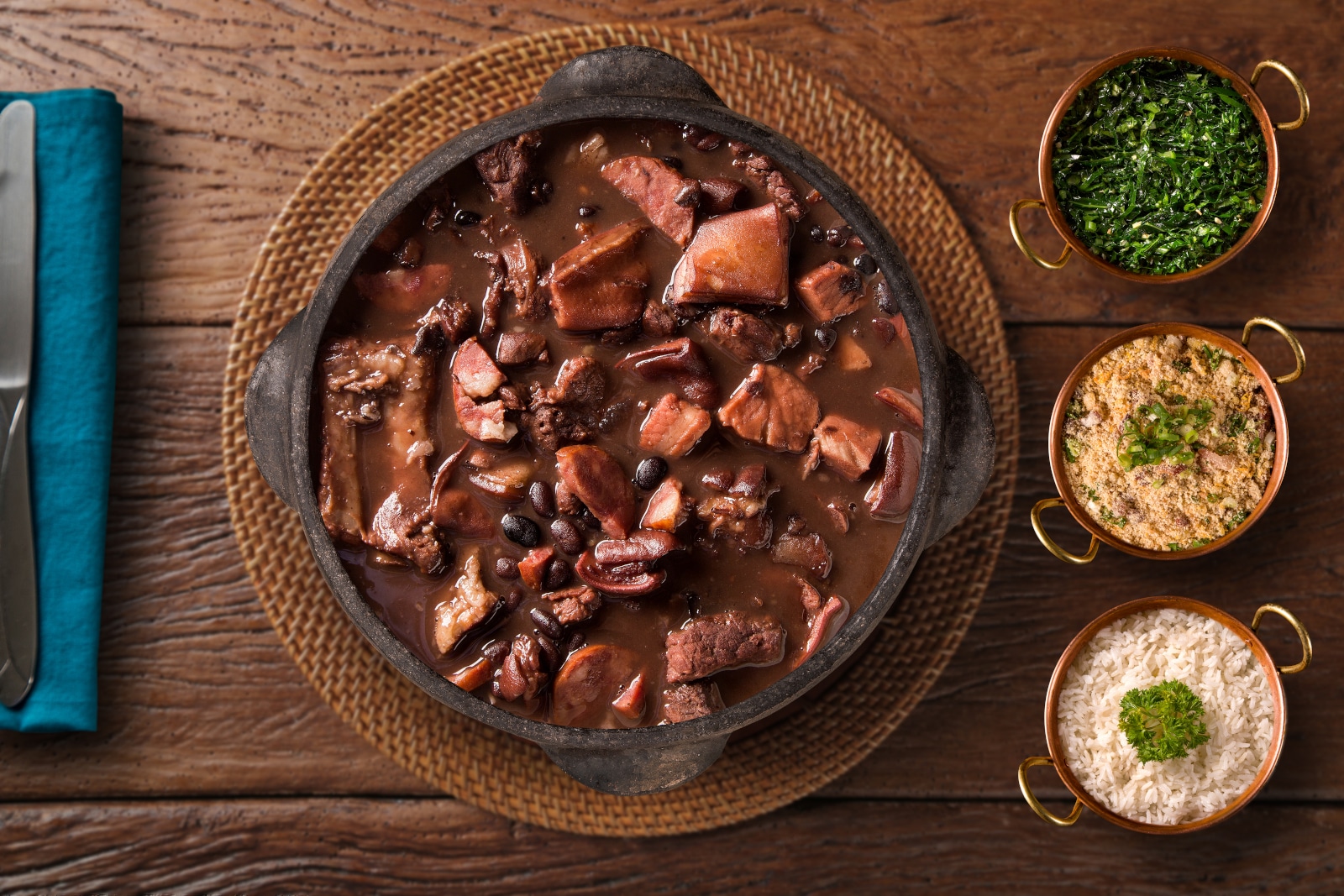
Combine Tempranillo with pork and lamb dishes, such as Brazilian pork stew (feijoada) or roast lamb with cranberry sauce. Shepherd’s pie, moussaka, or rogan josh are recommended food pairing choices, too. On top of that, chorizo (sausage) and morcilla (black pudding) also taste amazing when paired with young Riojas. Indian-style game delicacies or roast partridge and pheasant work super well with Tempranillo too.
Tempranillo complements American barbeque food, saffron-based dishes, like paella, and Mediterranean fish soups or stews. As such, Tempranillo is versatile and happily accompanies a variety of local and international cuisines.
Tempranillo Cheese Pairing
A red Rioja is fantastic with hard sheep’s cheeses such as Manchego, Zamorano, or Roncal. A mellow Tempranillo is a reliable choice to serve with a cheeseboard. In addition, you can try a full-bodied Tempranillo with Idiazabal, with the wine’s tannins contrasting the creamy, buttery flavor of the cheese. The cheese could also be an ingredient of dishes like pasta or pizza. So, there is a cheese for every glass of Tempranillo.
How Much Alcohol Does Tempranillo Have?
The Tempranillo alcohol content is in the range of 13.5 to 15% ABV. That is typical of a medium-to-full-bodied dry red wine that potentially can age up to 20 years. Before purchasing the bottle, however, check the label to be more precise. And remember to enjoy the wine responsibly.
How Many Calories Are There in Tempranillo?
Always keep in mind that alcohol and sugar increase calories in wines and alcoholic beverages subsequently. Even dry wines, such as Tempranillo, may have residual sugar. The carbs in Tempranillo are 1 to 4 per glass, and the calories range from 113 to 127 per serving. Hence, Tempranillo may have a low-calorie density or a very high one. That is dependent on whether the wine has aged in oak. The more Tempranillo aged in the oak, the higher its calories would be.
Conclusion
Tempranillo is Spain’s signature red wine, and for that reason, you should strive to taste it at least once. It is not just a characteristic example of the Spanish wine industry but is the prime representation of one of the most intriguing and celebrated winemaking schools. Ranked by how long they age in oak, Tempranillo wines can be made with outstanding quality grapes.
With its flavors of delicate strawberries and notes of smoke, clove, and vanilla spice, and a fine texture, Tempranillo is an excellent example of Spanish high-class winemaking. So, go ahead and purchase a bottle of Tempranillo wine without a second thought. That said, avoid the plastic jugs of Vino Tinto, and opt for a Tempranillo wine that would set you back several dollars for optimum enjoyment.