What Is Valdiguié?
Valdiguié is a think-skinned red grape variety that used to be widely planted in Languedoc-Roussillon in Southwest France. Today, it grows as a minor varietal in Vin de Pays, Provence, and Languedoc.
Outside France, it was planted in California and had gathered a small following. There, the grape was known as Gamay (or Napa Gamay) up until 1980. At that time, DNA testing was carried out and revealed that the Gamay varietal was no other than Valdiguié. However, wineries in Napa Valley could still sell Valdiguié as Gamay until 1999. Californian wine authorities, though, outlawed this practice.
In general, Valdiguié shows resistance to mildew diseases. That is great for winemakers planting the grape near the coast, where damp conditions favor the appearance of the fungus. Valdiguié is high-yielding, which means that it gives wines without intense flavor concentration.
The Valdiguié characteristics are the same as the Gamay ones. They are full of red fruity flavors, including cherries, plums, and berries. Also, spices and flowers join subtle notes of earth and leather. Valdiguié wines are medium in body and show low alcohol levels, too. Pleasant to sip after a tough day at the office when you need an easy-going red to lift your spirits.
What Color Is Valdiguié?
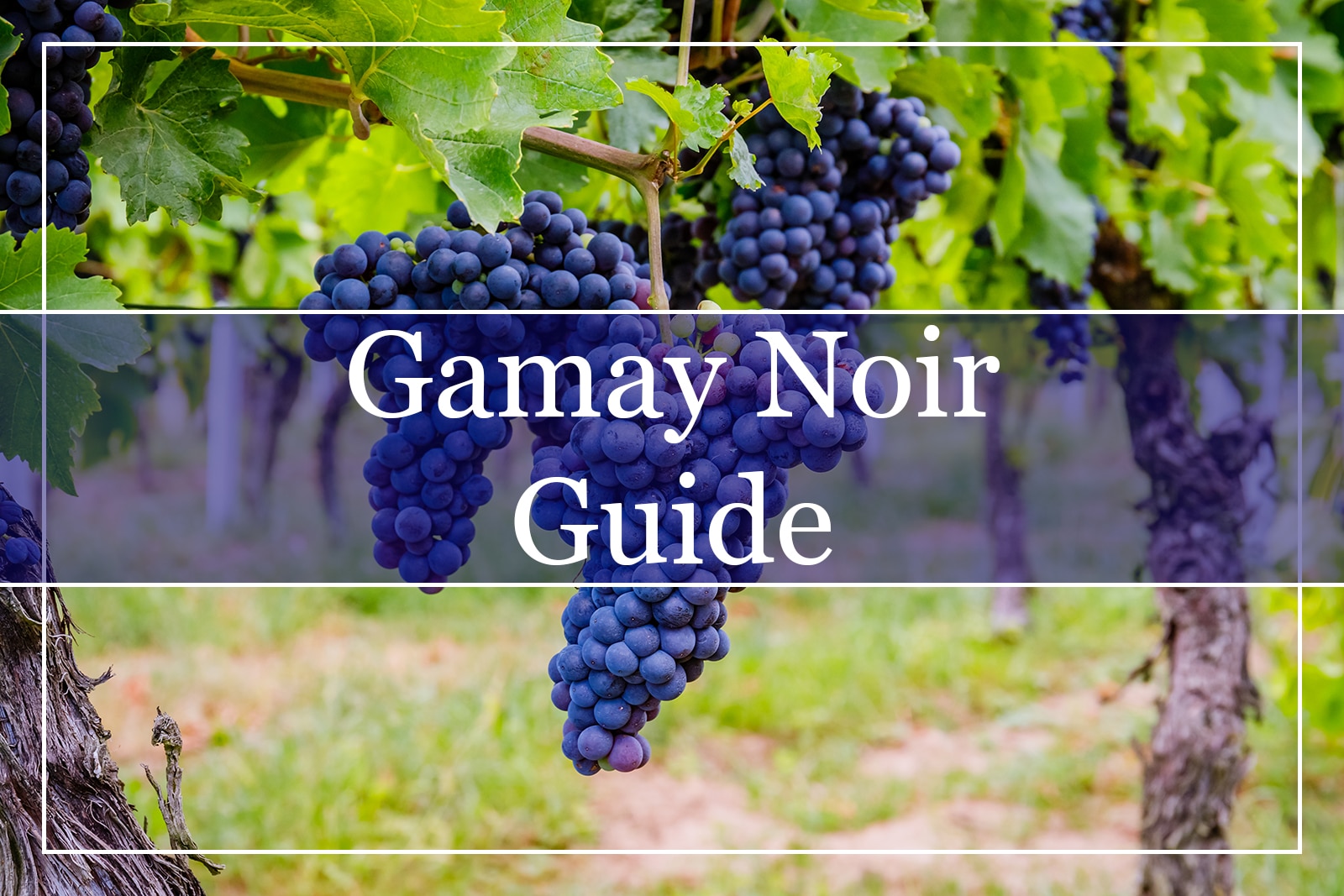
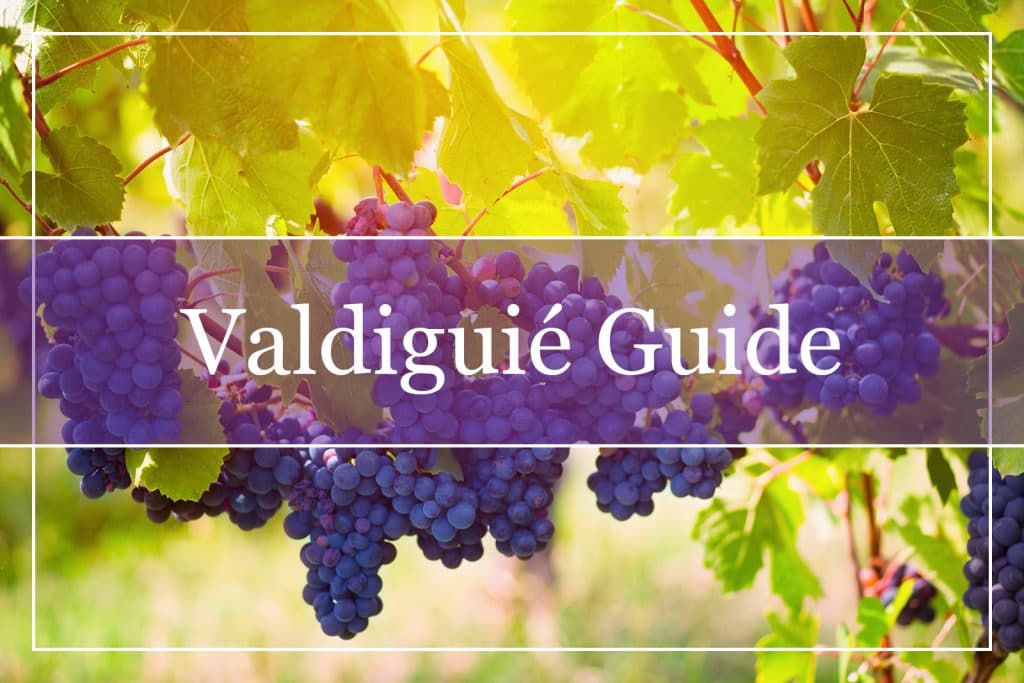
In the vineyard, Valdiguié vine produces medium bunches of dark, thick-skinned fruit. It is a grape from the Vitis vinifera variety of the Eurasian grape species. Nearly every grape used in winemaking is a family member of the Vitis vinifera. Up until ‘véraison’ and berry ripening, Valdiguié grapes are hard and thick to the touch. The ‘véraison’ period, however, indicates the point at which the grapes begin to ripen. At this point, the grape’s skin changes color, with the color turning into blue and purple.
Between ‘véraison’ and harvest, grapes expand and fill with water. During ripening, sugar levels rise, and acid levels drop. Color pigments and flavor components accumulate. Warm and sunny conditions are ideal, while mild water stress inhibits soot growth, encouraging grape ripening. It is then that the Valdiguié color shows an additional assortment of hues ranging from purple to indigo with bluish reflections. It is an incredible feeling walking among Valdiguié plantings in Napa Valley. A super memorable experience.
What Does Valdiguié Mean?
Valdiguié has a complicated history that oenologists have a hard time tracking down. For this reason, they consider three theories as to the origin of the Valdiguié name:
The first suggests that Valdiguié owns its name to M. Valdiguié (1745-1817), who took a sampling from Merille, a French red grape variety, and created Valdiguié from it.
According to another theory, Guillaume Valdiguié, a worker at a monastery in Aujols in Southwestern France, discovered Valdiguié next to the main building.
Experts, however, favor the belief that Jean Baptiste Valdiguié located this grape varietal in a vineyard near Puylaroque in Southern France. He later sold it sometime after 1874.
Until today, not one of the theories has been proved or widely accepted by oenologists. Unquestionably, though, the grape came from Southern France and was named after someone surnamed Valdiguié.
How to Pronounce Valdiguié?
The Valdiguié pronunciation is very challenging for non-native French speakers. If you wish to be accepted in wine-tasting cycles or impress with your wine knowledge in wine-competitions, you have to know how to pronounce Valdiguié correctly. There are several helpful videos and audio examples on how to pronounce the grape online, so make sure to use them. There are four syllables in the word, with the emphasis falling on the first and last syllables. Here what it looks like phonetically:
val-di-gu-ie
Where Does Valdiguié Come From?
As mentioned above, Valdiguié is a popular grape variety used for producing red wine. It predominantly grows in the Languedoc-Roussillon in Southern France. Also known as Gros Auxerroirs, wineries cultivating Valdiguié used it as a minor varietal in Vin de Pays near both Provence and Languedoc.
Besides France, Valdiguié is planted in the United States, too, in California, known as Gamay or Napa Gamay. Until 1980, Napa Gamay was confused for the Gamay grape of Beaujolais. Scientists, however, discovered that the two varieties are different, not related. For this reason, in 1999, Napa Gamay was banned and could not be used anymore in American wine labels.
Valdiguié used to be widely grown in California, especially in Napa Valley, in the 1970s. As the years passed, though, Valdiguié lost its popularity, and from a high-quality varietal, it was considered ordinary.
Other North American regions where Valdiguié is cultivated a are Lodi, Paso Robles, Redwood Valley, Solano County Green Valley, North Coast, and Suisun Valley.
Winemakers Consider Valdiguié Average
Valdiguié is classified as a grape of average quality. Californian winemakers treat Valdiguié fruit with several vilification methods to enhance its flavor. One of these techniques is carbonic maceration. Because carbonic maceration is also used extensively in Beaujolais production, this just increases the confusion between the two grape varietals.
In France, however, it is not considered such a minor variety. On the contrary, it is added in blends to add color and structure in Vin de Table (table wines) in Southern France.
Valdiguié is added to some other names, too, including Cahors, Sauzet, Noir de Chartres, Quercy, and Jean-Pierrou.
What Kind of Wine Is Valdiguié?
Valdiguié is produced to be a fruit-forward, medium-bodied, and low alcohol red wine, versatile and pleasant on every occasion and in every season. Hence, California sommeliers use Valdiguié on rotation in spring and summer.
When it is served slightly chilled, just like a Beaujolais, it makes a superb and refreshing pairing with a cured meat platter, guests welcome a bottle of Valdiguié every single time!
Is Valdiguié Dry or Sweet?
Valdiguié is almost always dry, without an indication of sweetness. That said, there are a couple of winemakers in California who have produced different kinds of Valdiguié wines – These being rosé, sparkling rosé, vin de soif–style, and fortified sweet wine examples, all from old-vine Valdiguié grapes, cultivated in Solano County Green Valley.
The flavors and style of wine are entirely dependent on the wine maker’s abilities and the vineyard position. Since, Valdiguié grows in hot regions, such as Southern France and California, it is to be expected that it will show overripe fruit notes and touches of baking spices. Terroir is crucial, consequently, in determining the character of a wine. Something to have in mind when checking a wine label.
What Does Valdiguié Taste Like?
Since the grape is rarely produced in a non-dry style, Valdiguié tasting notes are highlighted by the freshness and dynamism of the fruit flavors. Valdiguié is a treat of a wine for people that enjoy fruit-forward beverages of a decent weight and slight complexity. The Valdiguié aroma packs in fragrances of lavender and elder flower and scents of strawberry and raspberry. Hints of clove and spice are also characteristics of a medium-bodied Valdiguié.
When sipping Valdiguié, you experience the juiciness of cherries, plums, bramble, and cranberry, with each mouthful. The Valdiguié taste also has earth notes, such as wet forest leaves or soil, and animal elements, like leather or game meat. Herbal flavors, such as eucalyptus and mint, might be present in the mouth, too, but they are rare and only found in super complicated Valdiguié examples. As to the tannins, they are green and bitter. That said, the high acidity manages to offset a bit of the ripeness and refreshes, as it mutes the tannic astringency.
Consequently, the Valdiguié flavor profile is defined by red fruit flavors, high acid levels, a tannic texture, and lower than average alcohol levels.
How to Serve Valdiguié?
Valdiguié should be served at a standard room temperature (60°F or 10-18°C). The reason for this is that if medium-bodied red wines become too cold, they taste thin. Whereas, by reaching higher temperatures than recommended, they see their freshness decreasing. Eventually, the flavors become muddled, resulting in dull wine examples.
That said, the best temperature to serve Valdiguié at is slightly chilled. Think of a Beaujolais or a Valpolicella. Serve the wine between 50-55°F (10-13°C). Half an hour before guests arrive, wrap the bottle in a wet paper towel and place it in the fridge. That is enough time for the wine to reach an ideal level of chilliness.
Furthermore, Valdiguié must be poured into larger-sized wine glasses to allow the air to come into contact with the surface of the wine, encouraging it to release its intense aromatics and flavors. Decanting the wine is also an option to consider, as Valdiguié benefits from the extra aeration, making it appear more refreshing, crispy, and complex, too.
Can Valdiguié Age?
Valdiguié wines are not very suitable for long-term storage because they are fruit-forward without significant structure. However, by maturing Valdiguié under certain circumstances, it could develop aromas and flavors of fig, tar, cooked plums, and dried berries.
The wine should be sealed with a cork and stored in an environment with room temperatures that do not fluctuate (50-60°F or 10-15°C) and a portion of humidity. Direct sunlight or artificial light should be avoided as they may damage the wine and make it faulty.
Odors also have to be kept at bay, as they might find their way inside the bottle and instill unpleasant aromas and flavors, like vinegar. So, a cool, dark cellar, if you have one, could be the best place to store your wine.
How Long Should Valdiguié Breathe?
Valdiguié is that complex. It is medium-bodied with medium-high acidity, and therefore, a little aeration might benefit it. A beautiful decanter would be nice, especially if you have guests, but it is not necessary. Any simple vessel could suffice. By aerating Valdiguié, you help it express the few secondary and tertiary flavors and aromas that it may have. Give the wine up to half an hour to breathe. Then, serve it and enjoy it wholeheartedly.
What Food to Pair With Valdiguié?
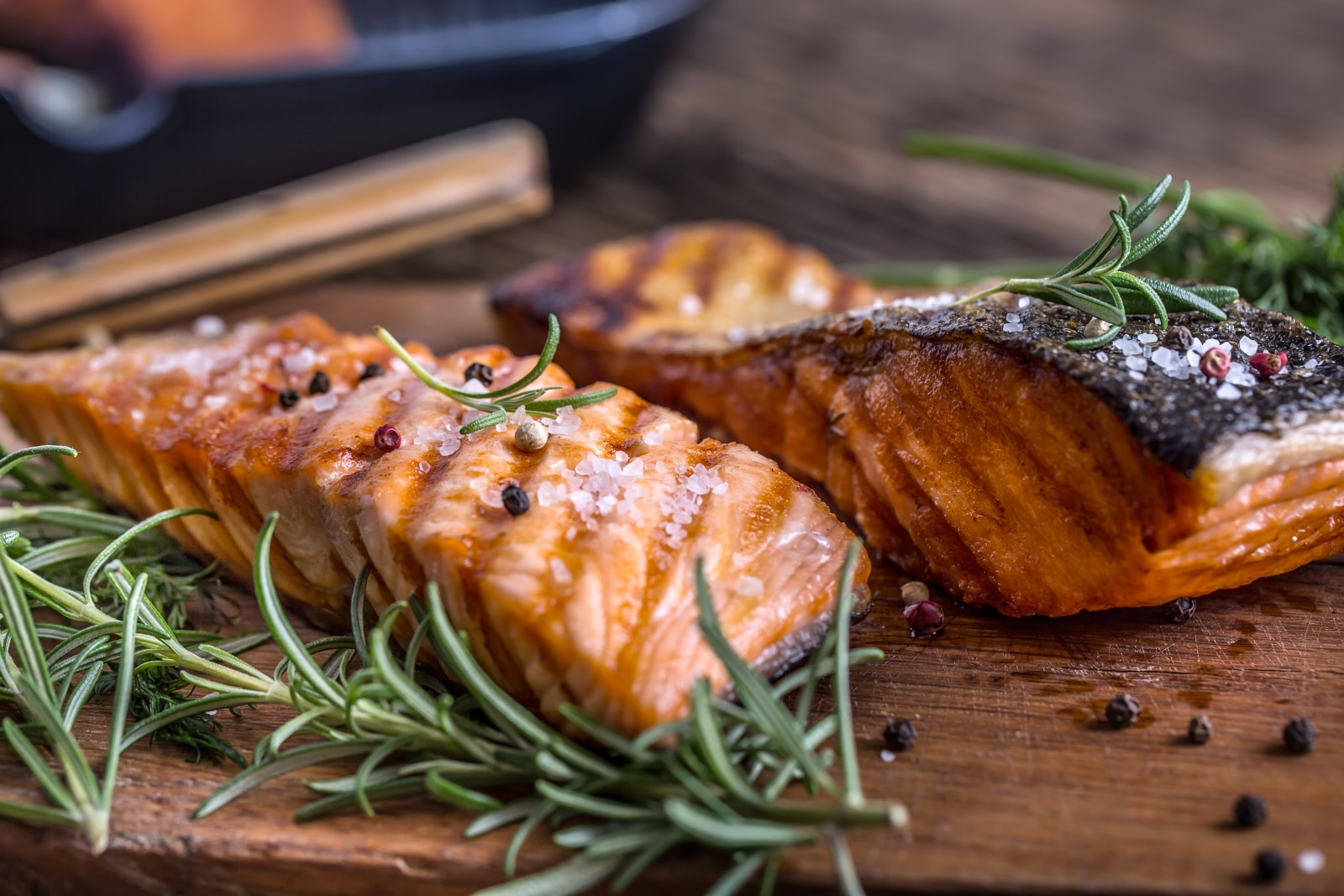
Valdiguié food pairing is fun, as this type of wine pairs with several appetizers, cured meats, and aged cheeses. It is also friendly with non-vegetarian food options, but most will want to complement the wine’s fruitiness with spicy and savory food. Turkey, chicken, a tuna salad with croutons, oven-baked salmon, or grilled and roast meats accompany Valdiguié exceptionally well. Also, the wine will pair well with pasta with a light creamy or tomato sauce, sausage, roasted vegetables, such as leek and artichoke, or mashed potatoes.
Valdiguié Cheese Pairing
But to guarantee the arousal of your taste buds, Valdiguié should be paired with aged cheeses made from cows, sheep’s, or goat’s milk. So, grab your cheese board—if you don’t have one, a standard wooden pizza base is good enough—and serve an assortment of aged Époisses (a Napoleon favorite but smelly) and Gouda, Raclette, and Vacherin.
Majorero and Bucheron also are good options, but these are goat cheese, and some consumers may not appreciate the characteristic smell and flavor. Additionally, the cheese could form part of dishes such as pizza or pasta. Saint Nectaire and Feta make interesting cheese choices, too.
How Much Alcohol Does Valdiguié Have?
The Valdiguié alcohol content is relatively low compared to other medium-bodied wines and ranges from 10.5 to 12.5% ABV. Before purchasing the wine, check the label on the bottle for more precision. And always enjoy alcoholic beverages responsibly.
How Many Calories Are There in Valdiguié?
Alcohol and residual sugar are what increase calories in wines. Therefore, expect the dry Valdiguié wines to show a low caloric density. Contrarily, the rare examples of sweet and fortified Valdiguié examples have high calories. The carbs in Valdiguié are in the range of 1 to 4 per glass, while the calories range from 105 to 117. Consequently, consumers monitoring their caloric intake will not risk their diet by consuming Valdiguié every now and again.
Conclusion
Valdiguié is a unique red grape variety because it provides dry to sweet to fortified wines. It has a firm texture and shows a wealth of red fruit notes, florals, and spices. The tannins might feel a bit bitter, but they add depth, complexity, and structure. Valdiguié is a shining example of delicious wine on the palate. And if a skillful and talented winemaker handles it, it can deliver a compelling and gratifying result. To sum it up, sipping Valdiguié is intoxicating. It is like opening the door to sun-drenched vineyards.